Agnes Springorum

Agnes Springorum was a young, unmarried woman from Bochum, Germany, who belonged to the city’s elite during the 16th century. In her will, she established a charitable foundation to provide dowries for poor, pious maidservants wishing to marry, or, if none were found, to support the local poor—an endowment known as the "Springorum-Spende." Coming from a prominent family with ties to Bochum’s civic leadership and nobility, her legacy reflects both her social status and her philanthropic commitment. Her foundation continued to benefit the community until the Thirty Years’ War, marking her as a notable figure in Bochum’s early modern history.
On January 14, 1568, Agnes Springorum and her brother Gerrit went before the mayor and council of Bochum. They wanted to arrange their affairs before traveling, since people often died suddenly in those days. They signed a will together, but sadly, Agnes’s fear of an early death came true. By September 6 of that same year, she was in Cologne, sick with the plague, and she dictated her last will to the notary Lucas Wintzler.
Agnes was only 26 or 27 years old, but she had already decided to leave a lasting mark. Along with gifts to her friends and family, she gave 100 talers to Bochum’s "Gasthaus," a place that cared for the poor and sick. She wanted the money to be used to help a poor, hardworking maid get married by giving her a dowry. If no such maid could be found, the money should go to the poor. In the end, her gift was used to give rye and barley to the poor every year on Corpus Christi—until the Thirty Years’ War, when the city had to use all its money for war costs.
Agnes came from one of Bochum’s most important families. Her brother was the city secretary, and her sister’s husband later became mayor. Her mother’s family was also well-respected, and her grandfather had taken the name "Springorum" after marrying an heiress. This was a tradition not just in the countryside, but also among city families.
Her story shows how even a young person can make a difference, and how a family’s name and kindness can live on.
External source: https://www.bochum.de/Historische-Frauen/Agnes-Springorum
Events & References
Mutual Inheritance Agreement of Agnes and Gerrit
14 January 1568 · Bochum, Deutschland
In January 1568, Gerrit and Agnes Springorum, brother and sister, concluded a mutual inheritance agreement in Bochum in anticipation of travel. The contract appointed trusted relatives as legal representatives and established a donatio causa mortis, providing that the surviving sibling would inherit the shared house and property, while fixed monetary legacies were assigned to their other brothers. The agreement further regulated the settlement of debts and safeguarded the arrangement against legal challenge.
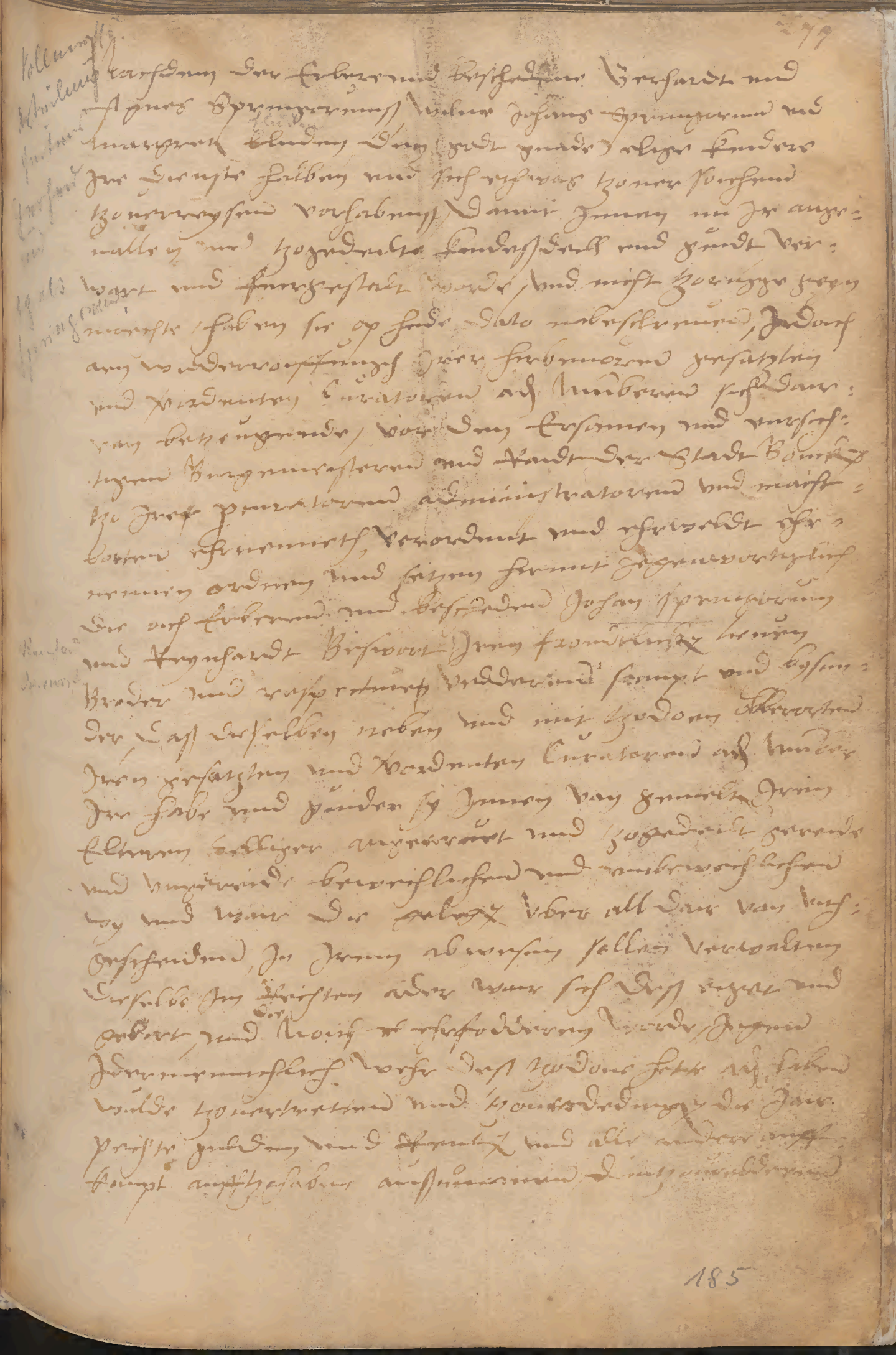
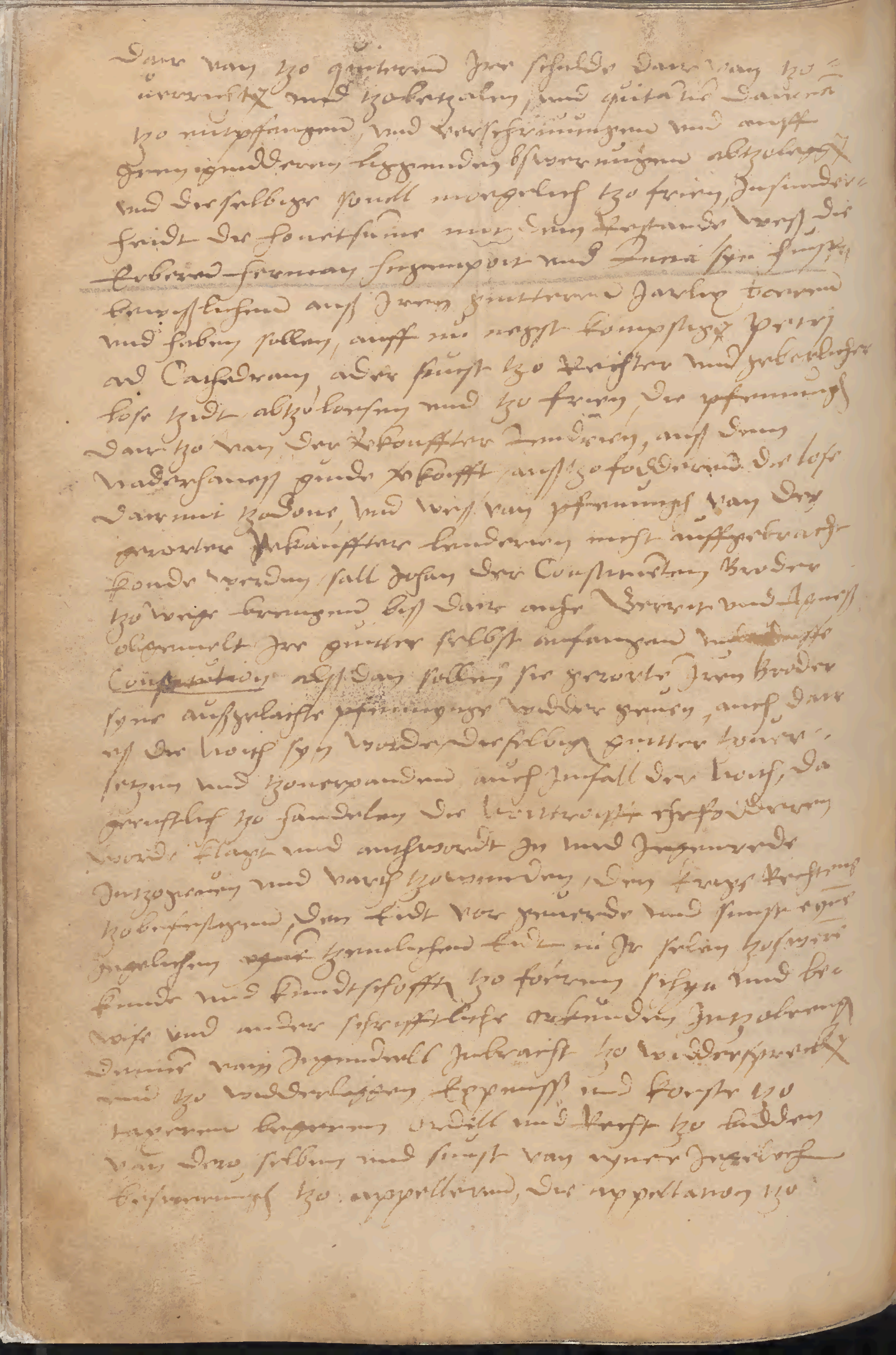
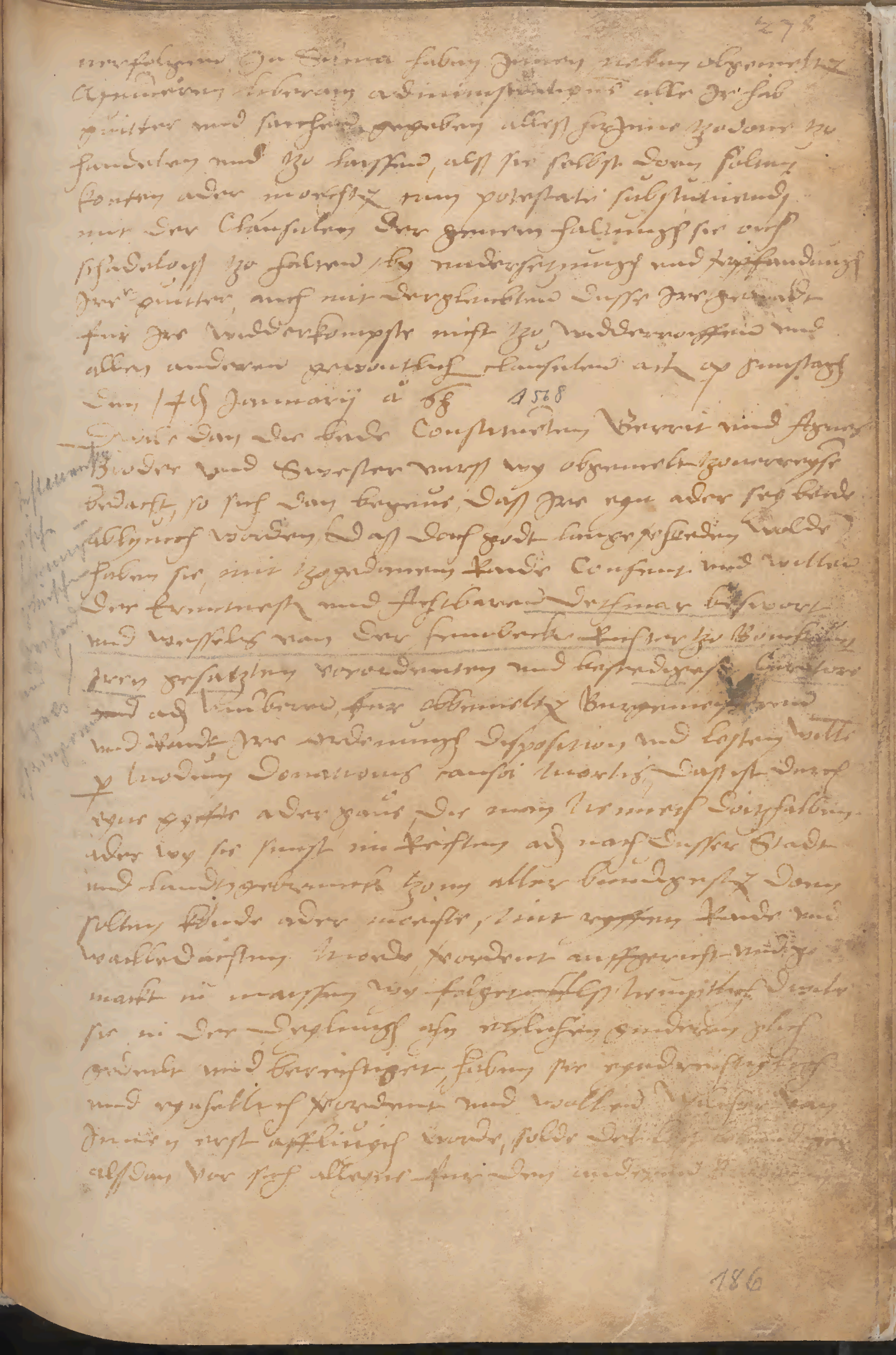
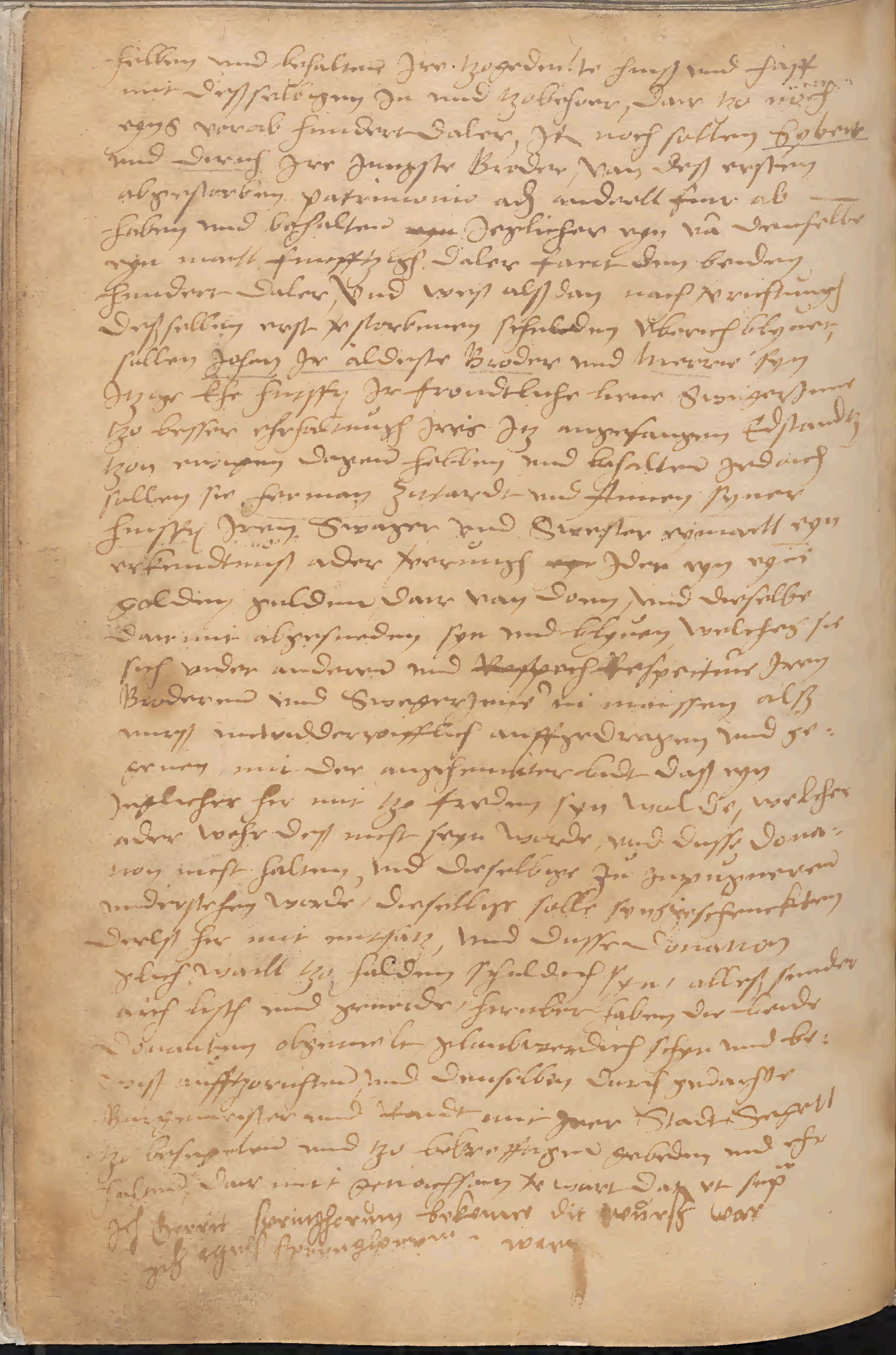
Will of Agnes Springorum
6 September 1568 · Köln, Deutschland
In her will of 6 September 1568, drawn up in Cologne during a severe outbreak of plague, Agnes Springorum made provisions for the disposition of her estate. The document records charitable donations, individual legacies to siblings and close relations, the appointment of her brother Johan Springorum as executor, and the designation of her brothers Sibert and Dietherich Springorum as residual heirs after the settlement of debts and bequests.
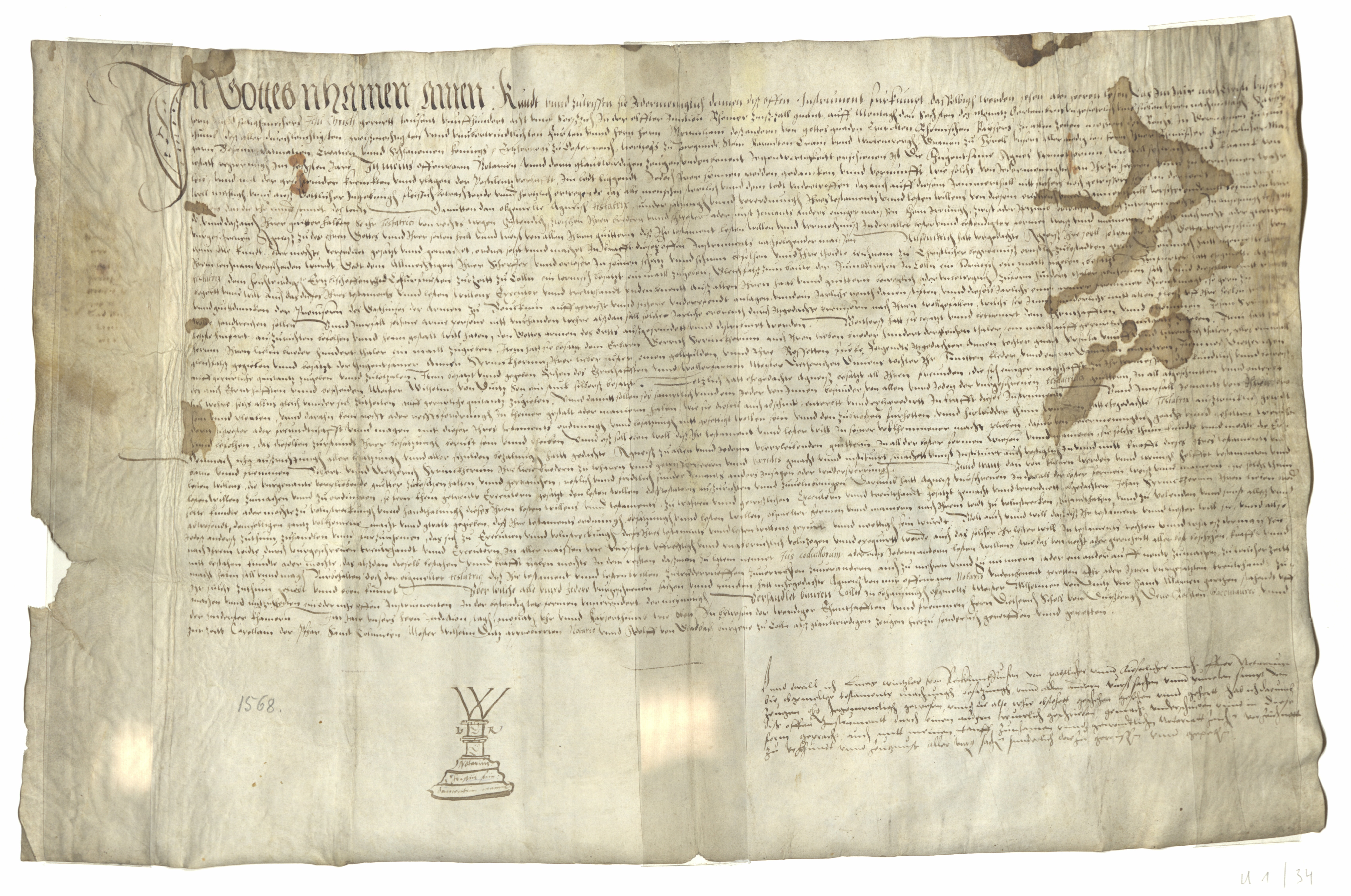
Reference: Will of Agnes Springorum
Family
Parents
- ♂ Johann Springorum I (c. 1505 – c. 1560)
- ♀ Margarete von der Hembecke (c. 1505 – ?)