Barend Springorum

Barend Springorum was a German-born sailor who left Henrichenburg at a young age and settled in Amsterdam, where he built a life shaped by migration and maritime service. In 1764 he entered the Dutch East India Company, likely joining the crew of De Nijenburg after its mutiny and later serving in the East Indies. By the early 1780s he had turned to privateering, acting as kaapbaas for the ship de Spion during the Fourth Anglo-Dutch War. His private life was marked by repeated loss, with his children dying young or disappearing from the records. Gravely ill, Barend drew up a joint will with his wife Willemina in December 1786 and died shortly afterward, in January 1787.
Barend Springorum is not a direct ancestor of mine, but his name appears repeatedly alongside that of his brother Willem Springorum in the Amsterdam city archives. These records suggest a close bond between the two brothers: each acted as a witness at the baptisms of the other’s children. They also show that both men migrated together from Germany to Amsterdam, settling there as young men in search of work and better prospects.
Moving to Amsterdam
Barend was born in Heinrichenburg in 1742. His appearance in a VOC registration in 1764 strongly suggests that, like many young German men of his generation, he moved to Amsterdam in search of economic opportunity.
VOC
Barend entered service with the VOC in 1764, with his enlistment dated precisely to 17 May. He is recorded as joining the ship Nijenburg. However, this vessel had already departed from Texel for Batavia on 8 May 1763. The voyage of the Nijenburg later became notorious: on 14 June 1763 a mutiny broke out on board. After several mutineers left the ship in Brazil, the Nijenburg reached the coast of Guinea a year later, where a new crew was taken on board. From there the ship sailed on to Suriname, before finally continuing the original journey via the Cape of Good Hope to Batavia.
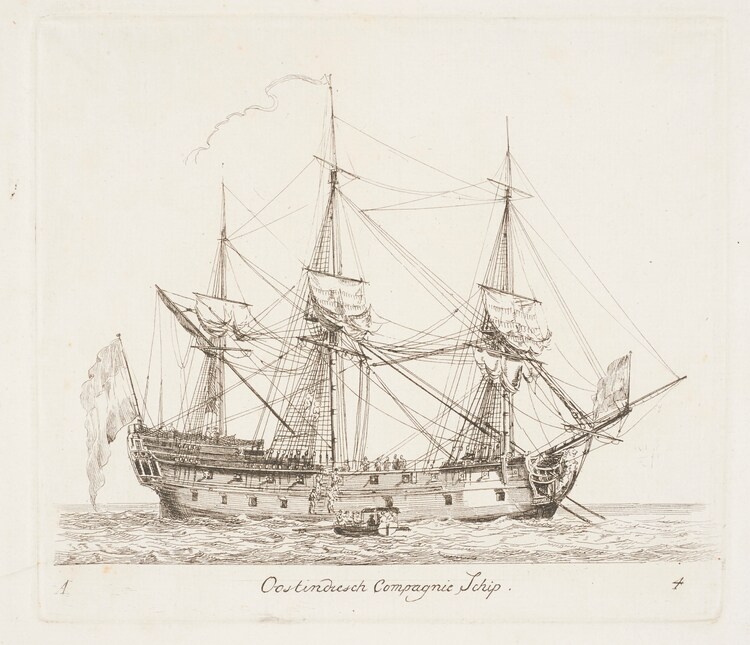
Given the date of Barend’s enlistment, it seems very likely that he was one of the replacement crew members taken on board during this later phase of the voyage, most probably off the coast of Guinea.
The question remains how Barend came to be in French Guinea in the first place, as I have found no other record of him joining a crew sailing to or from that region.
Source: vocsite.nl
Privateering
More than fifteen years after his return from the East Indies, Barend’s name appears in a series of documents related to authorisations granting him the right to receive money on behalf of others—specifically prize money obtained through privateering. In one of these records, Barend is explicitly described as a kaapbaas (privateering agent or leader).
The documents also name two ships—the Triton and the Spion—which, together with a third vessel, the Dolfijn, formed a small flotilla. These ships operated along the coast, particularly north of the Wadden Sea, where they posed a serious threat to English merchant shipping during the Fourth Anglo-Dutch War.
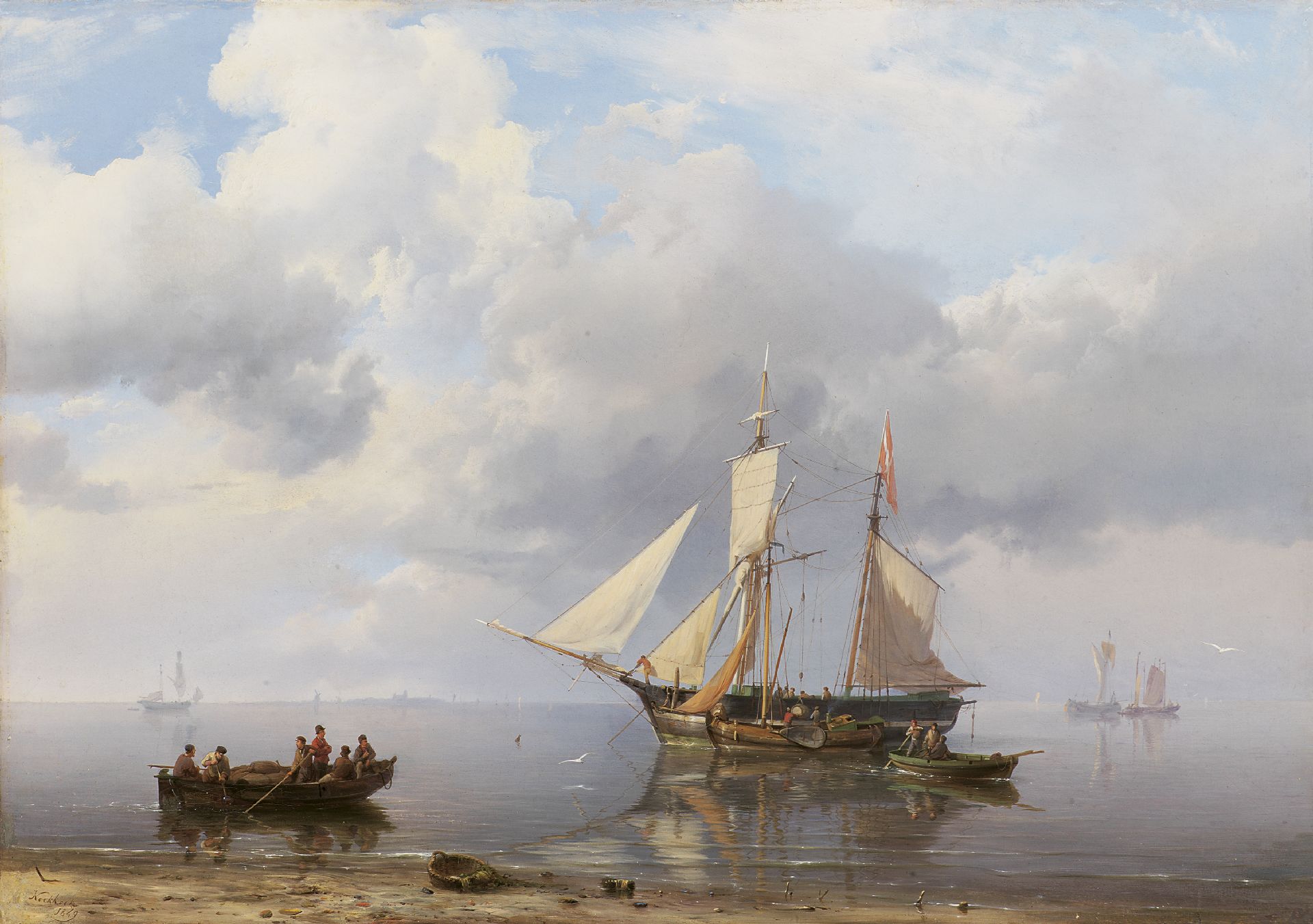
Despite its apparent success—having captured six English ships—this episode of privateering was short-lived. In the same year, the Spion was sold, effectively bringing the venture to an end.
Family
Shortly after 1782, two baptism records appear for children of Barend Springorum and his wife Willemina Altmans: Joanna in 1783 and Hendrik in 1784. Toward the end of 1785, two burial records follow in quick succession: Maria died in November, and Hendrik in December.
I have not been able to locate a baptism record for Maria, and I have found no further trace of Joanna in the records.
One year after the deaths of Maria and Hendrik, Barend and Willemina drew up their joint will on 27 December 1786. Both were described as being seriously ill. Just over a week later, on 5 January 1787, Barend Springorum died at the age of 43.
Later that same year, Willemina remarried Joannes Hamkolk. Together they had a son, Joannes Bernardus Josephus Hamkolk, who was most likely named in memory of Willemina’s late husband Barend. Tragically, the child died only three months after his birth.
Events & References
Baptism of Barend Springorum
8 August 1742 · Henrichenburg, Deutschland
On 8 August 1742, Josephus Bernhardus Hendricus (Barend) Springorum, the lawful son of Johannes Josephus Springorum and his wife Anna Maria Stratmans, was baptized in the church of St. Lambertus in Henrichenburg, with a distinguished group of godparents that included his paternal grandparents, Johann Heinrich Springorum and Helena Herdinck.
Recorded in the parish baptismal register, this entry provides the only concrete evidence linking Johann Heinrich to his son Johann Joseph and to his grandchild Barend Springorum. The appointment of both grandparents as godparents—a rare occurrence—gives this record exceptional genealogical significance, as without it the connection between the Amsterdam Springorum branch and the Reinhardt Springorum branch could not have been established.
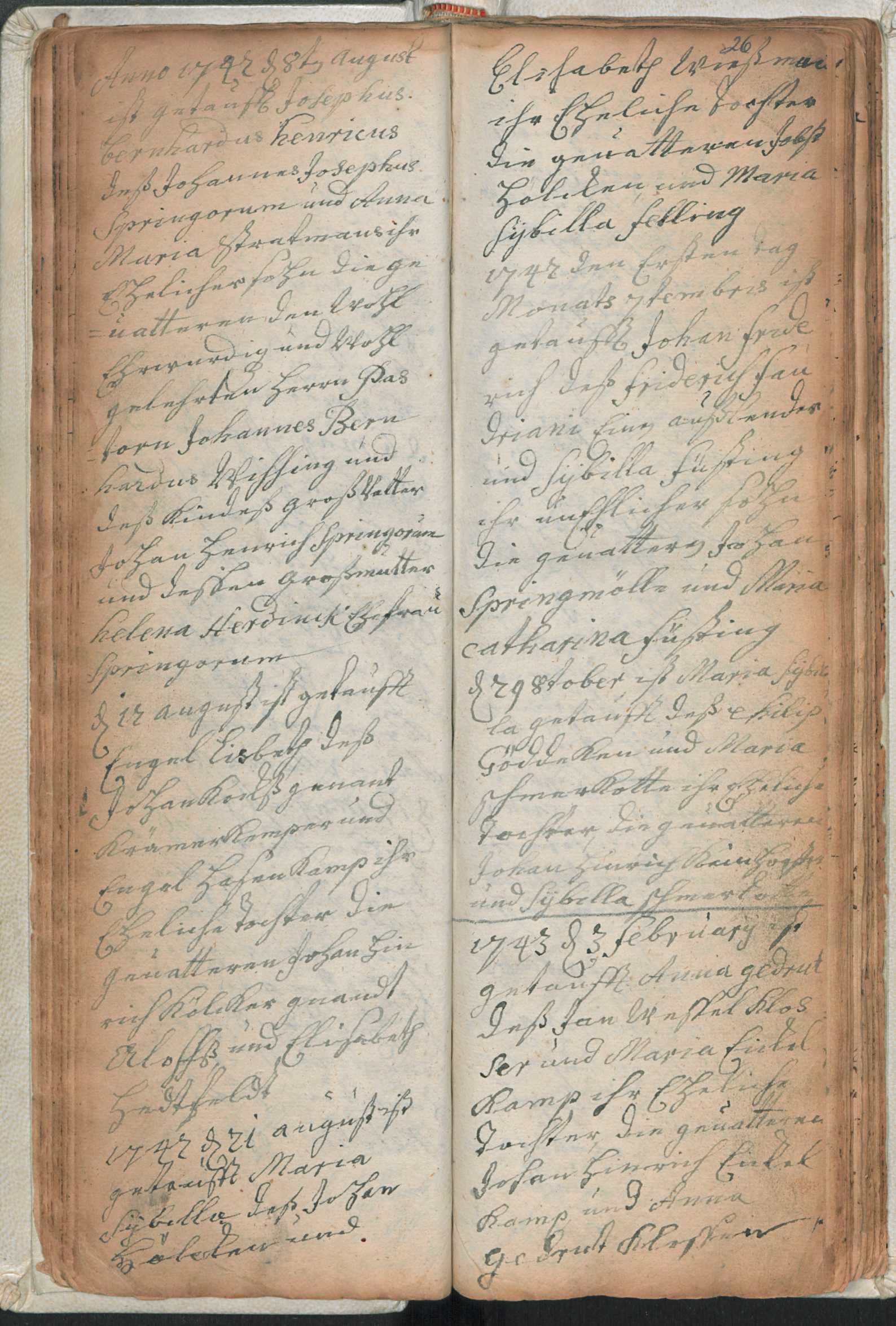
Reference: Baptism of Barend Springorum
Enlistment with the Dutch East India Company
17 May 1764 · Amsterdam, Nederland
On 17 May 1764, Barend Springorum, originating from Unna, entered service with the Dutch East India Company (VOC) as a sailor. He was engaged aboard the ship Nijenborg, performing the regular duties of a seaman. After several years of service, he was repatriated to the Dutch Republic and formally discharged in 1767 upon his return voyage aboard the ship Vlietlust.
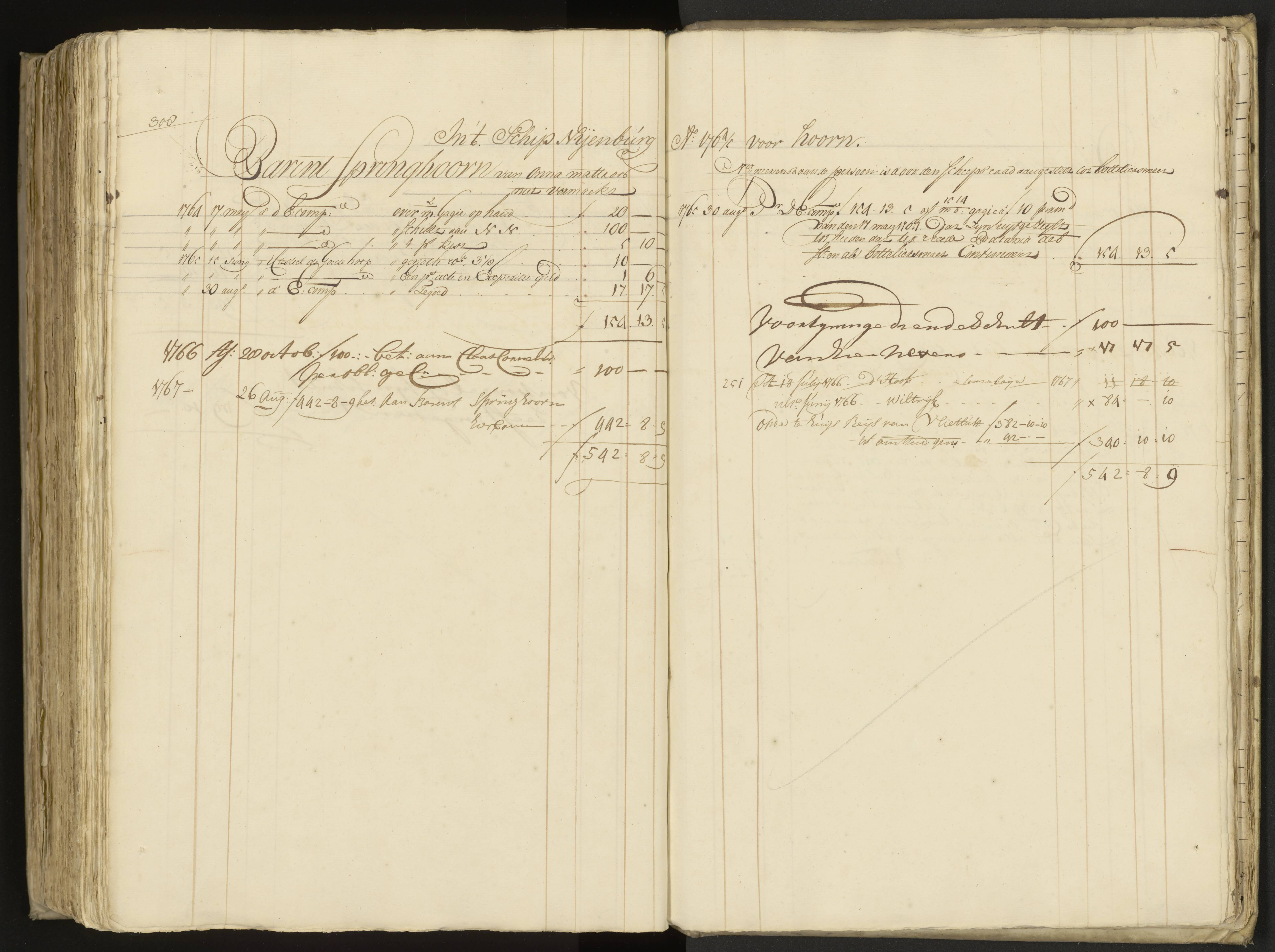
Reference: Enlistment with the Dutch East India Company
Marriage Banns: Barend Springorum and Willemina Altmans
19 August 1779 · Amsterdam, Nederland
On 19 August 1779, Barend Springorum and Willemina Altmans were recorded in the Amsterdam ondertrouw (marriage banns) register. The entry appears in the marriage intentions of the PUI (Huwelijksintekeningen van de PUI). Willemina is noted as having been previously married to Dirk Tinneman.
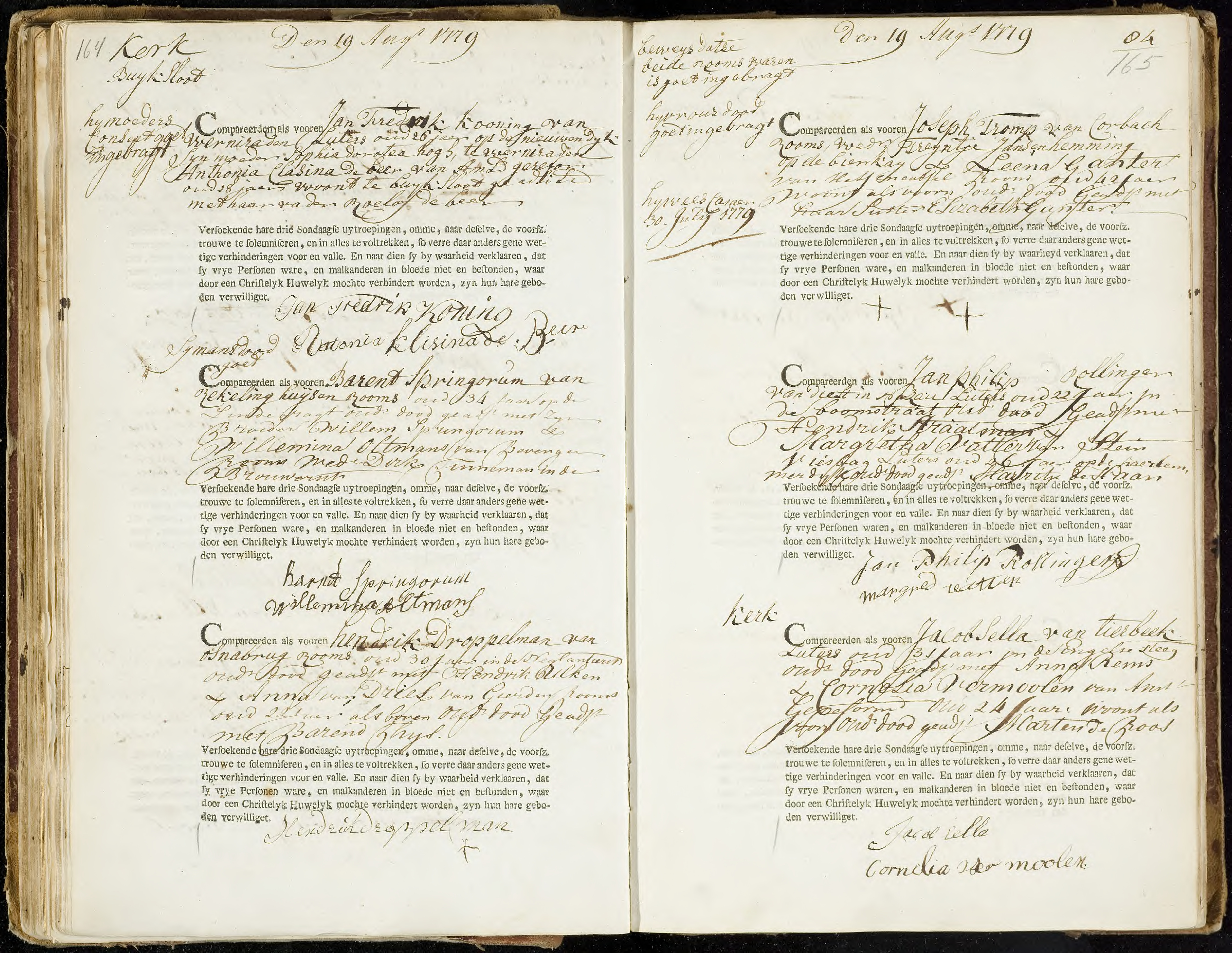
Reference: Marriage Banns: Barend Springorum and Willemina Altmans
Marriage Barend Springorum and Willemina Altmans
8 September 1779 · Amsterdam, Nederland
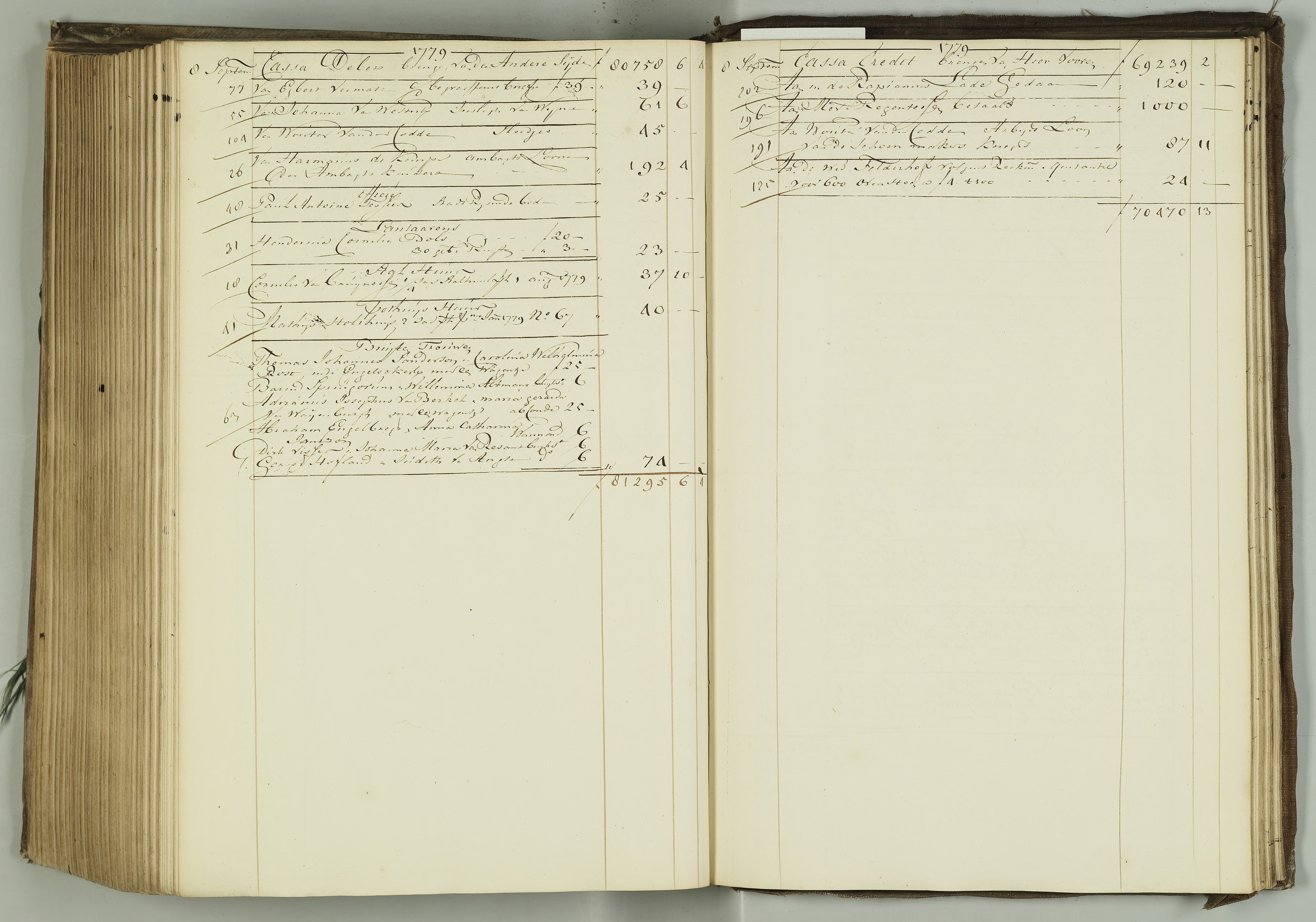
At the age of 37, Barend Springorum married Willemina Altmans on 8 September 1779. Although both were residents of Amsterdam, the marriage was performed in Buiksloot, a separate jurisdiction north of the city that was commonly chosen for reasons of cost or convenience. The marriage was nevertheless registered in Amsterdam as part of the municipal marriage penalty registers (Boetes op trouwen).
Power of Attorney for the Collection of a Legacy
19 January 1782 · Amsterdam, Nederland
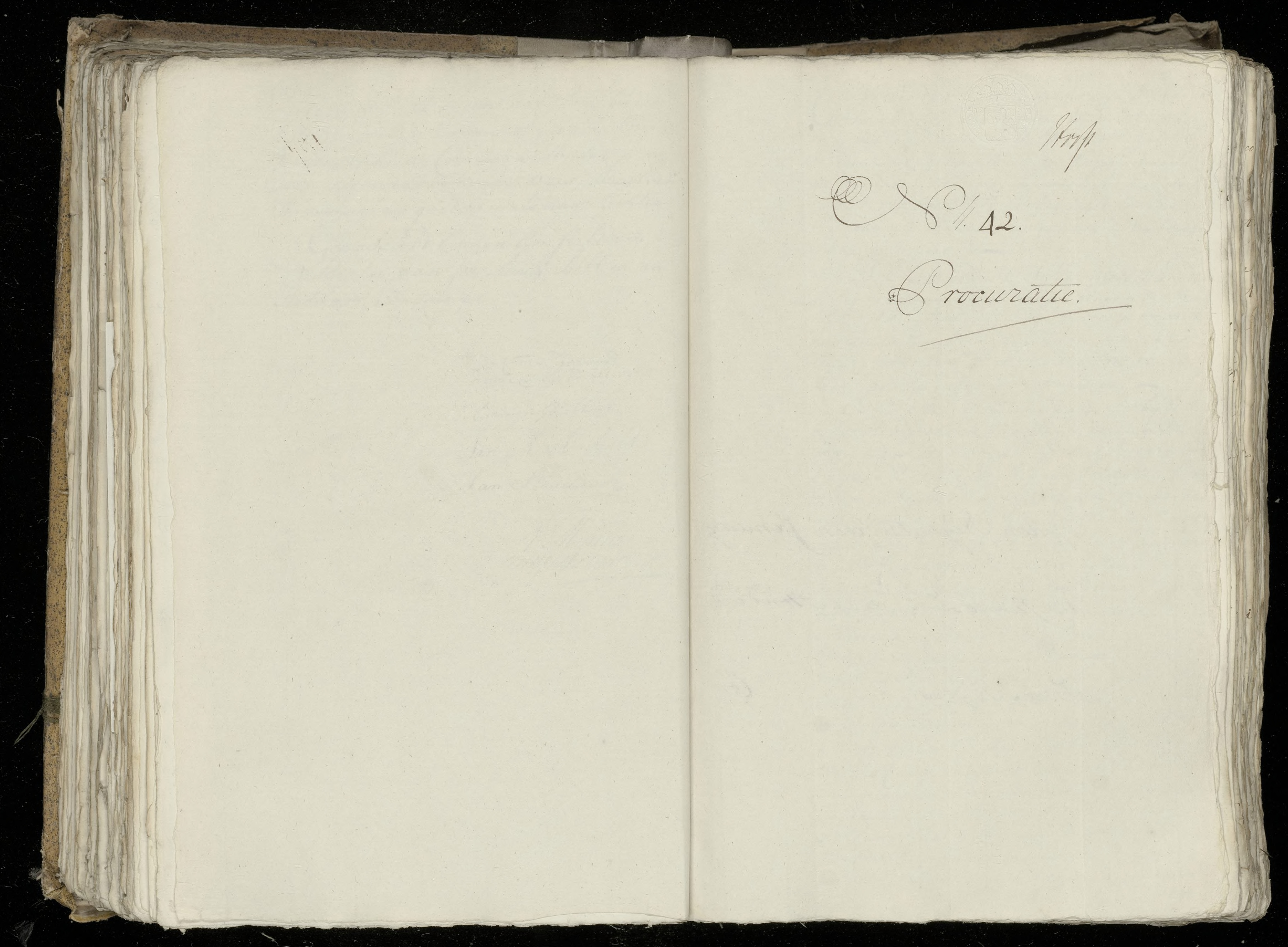
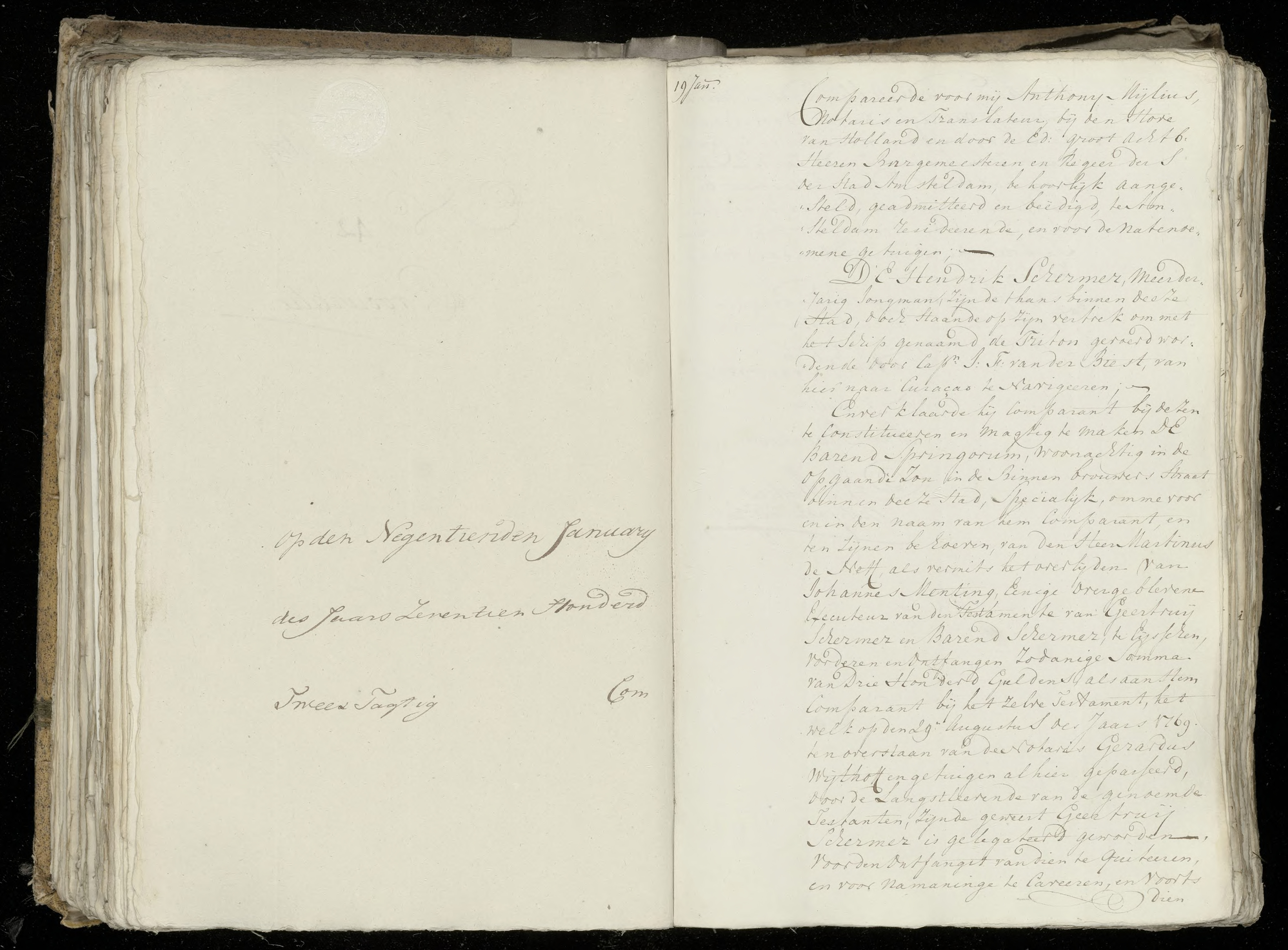
Barend Springorum is authorized to receive a sum of money on behalf of Hendrik Schermer in order to collect a legacy.
On 19 January 1782, Hendrik Schermer appeared before an Amsterdam notary to grant Barend Springorum a power of attorney shortly before departing for Curaçao aboard the ship De Triton. Springorum was authorized to claim and receive a legacy of 300 guilders bequeathed to Schermer under a testament of 1769. The act ensured that the inheritance could be lawfully collected in Schermer’s absence.
It is notable that Hendrik Schermer was about to sail to Curaçao aboard De Triton, one of a fleet of three ships that also included De Spion, the vessel on which Barend was sailing.
Receipt for the Payment of a Legacy
11 April 1782 · Amsterdam, Nederland
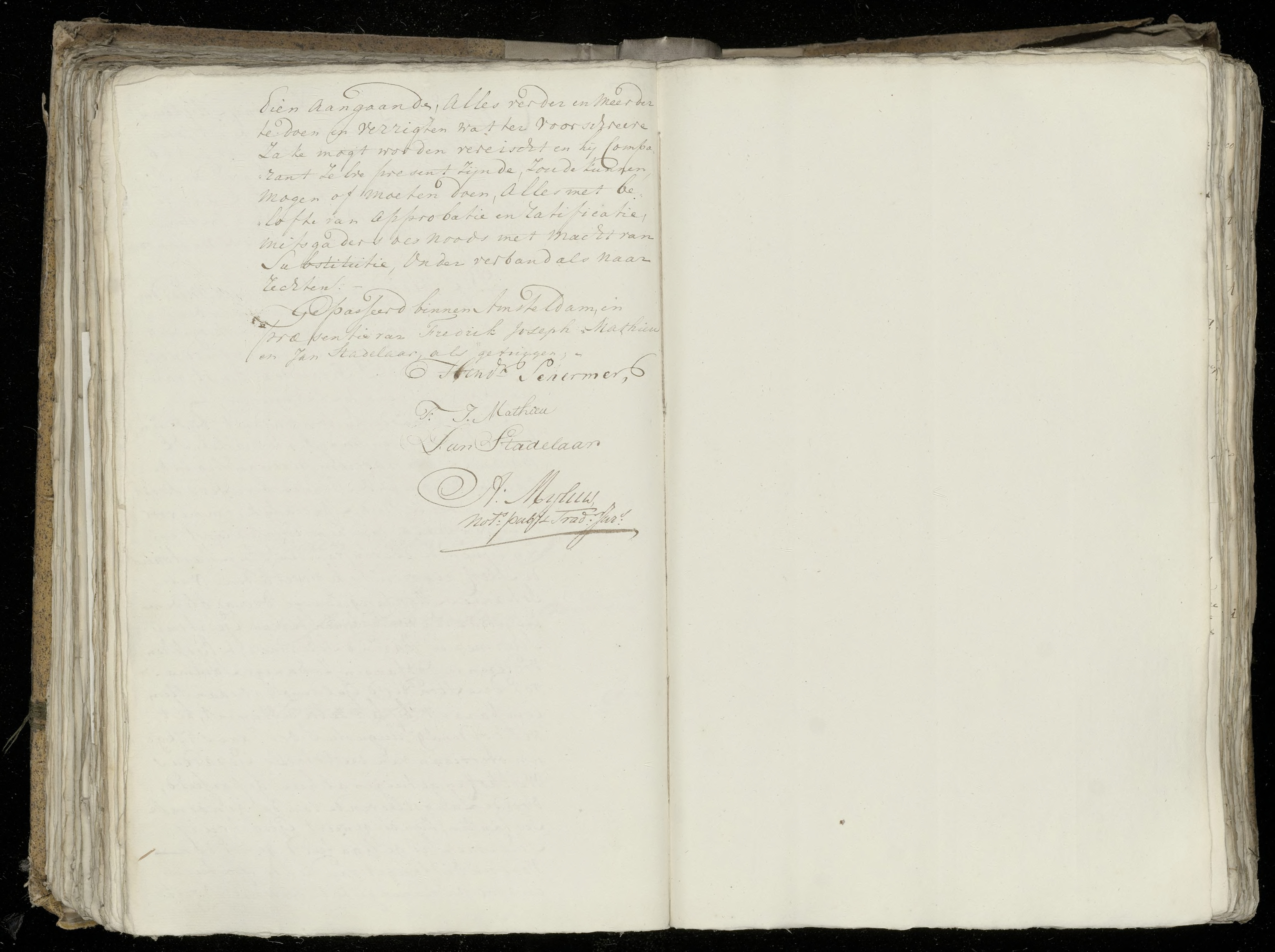
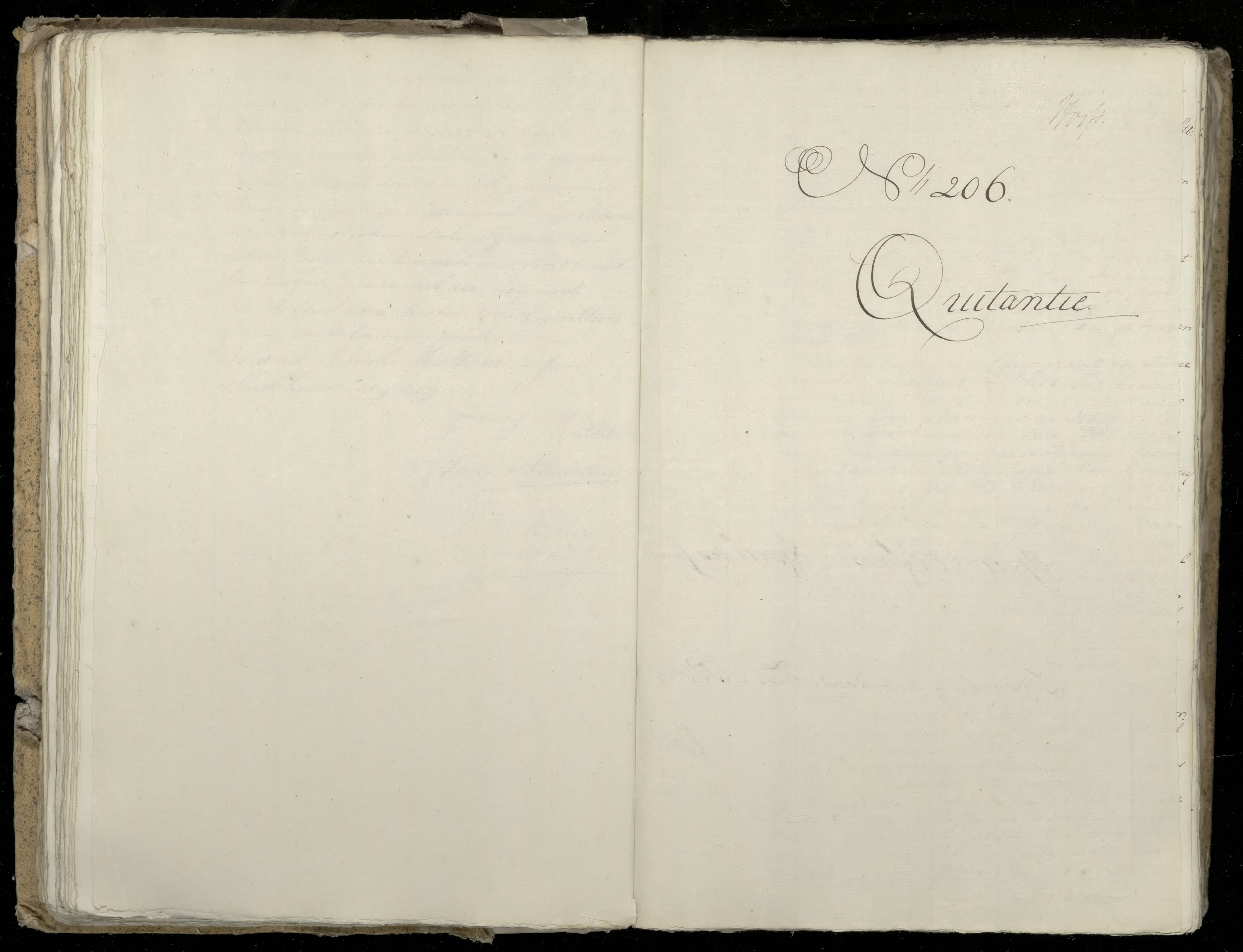
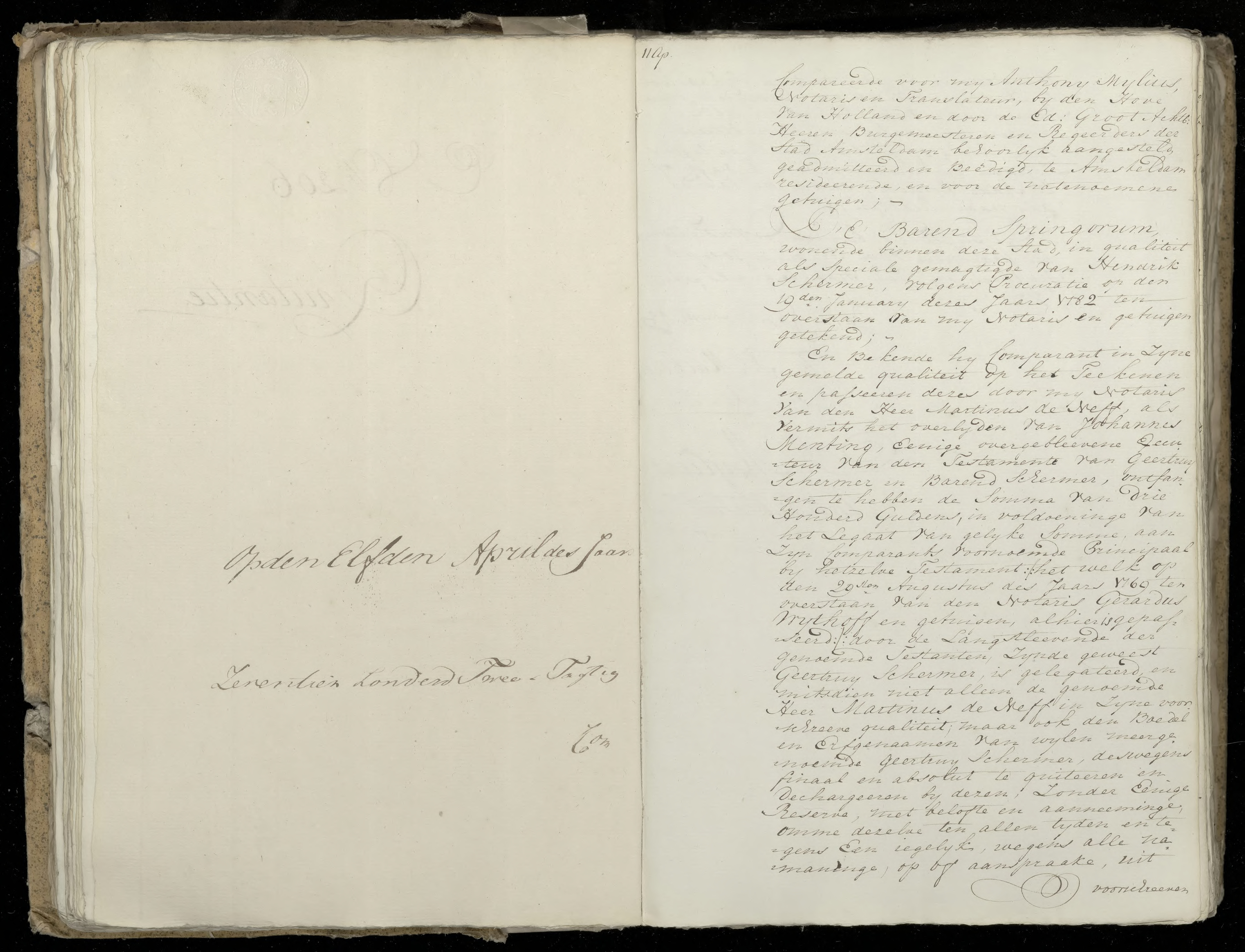
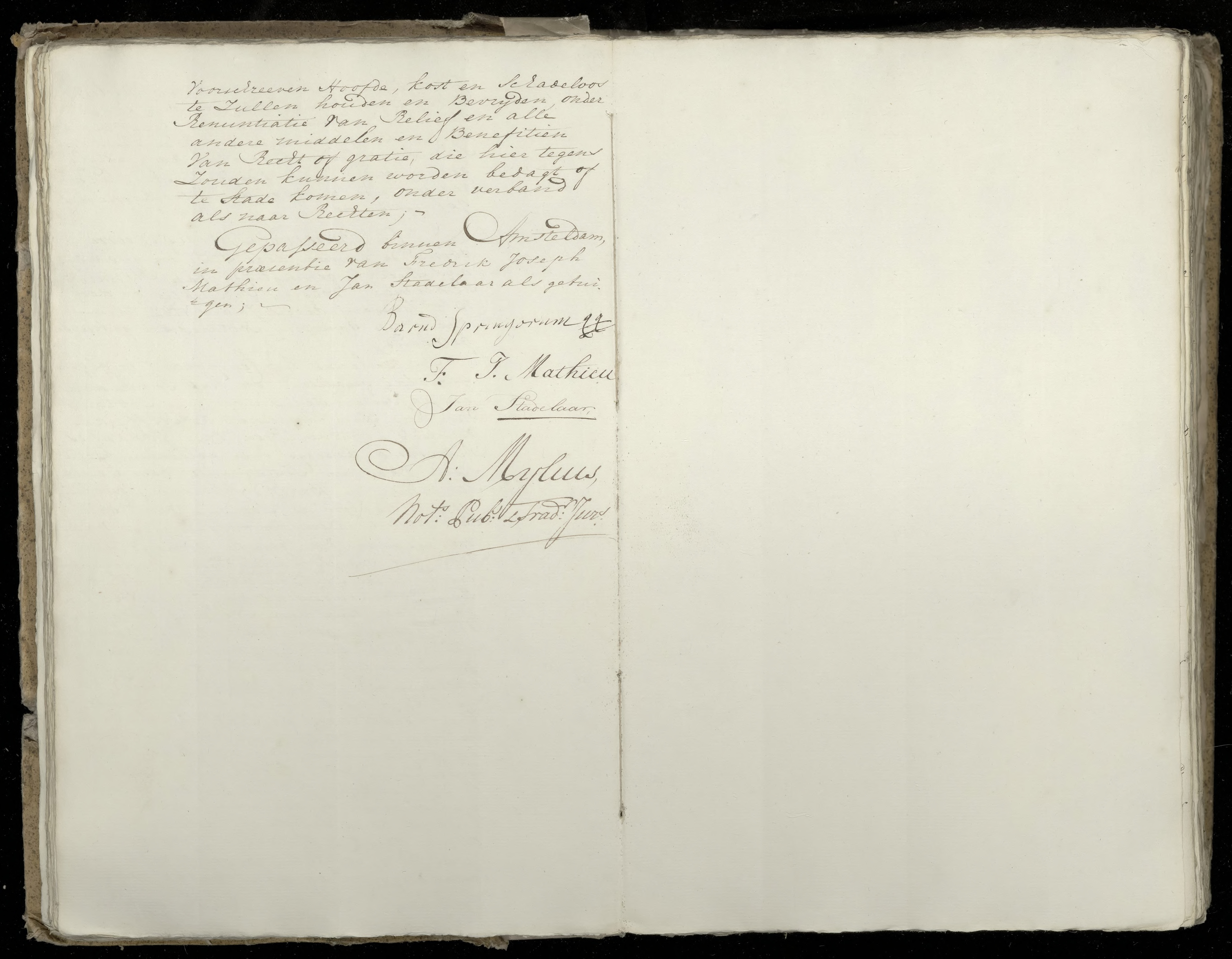
On 19 January 1782, a notarial act was drawn up in Amsterdam recording that Barend Springorum, acting as attorney for Hendrik Schermer, received a legacy of three hundred guilders. The payment was made by Martinus de Neff, the sole surviving executor of the testament of Geertruij Schermer and Barend Schermer, executed in 1769. By this act, Springorum formally acknowledged receipt and granted full and final discharge to the executor, the estate, and the heirs.
Reference: Receipt for the Payment of a Legacy
Power of Attorney for the Collection of Prize Money
3 October 1782 · Amsterdam, Nederland
Several years after he returned from Ceylon, the story of Barend Springorum takes an exciting turn when, at the age of 39, he is mentioned in notarial documents as an authorized agent collecting prize money for sailors from the exploits of the privateer ship de Spion. Intriguingly, these records refer to Barend as a "Kaapbaas" (privateer commander). The same documents also mention valuable details about the ship involved, de Spion, and its captain, Jan Olhoff, providing strong starting points for further investigation.
A notarial act was drawn up in Amsterdam in which Barend Likman, having served as a young sailor aboard the privateer ship De Spion under Captain Jan Olhoff, appointed kaapbaas Barend Springorum as his prize agent. Springorum was authorized to claim and receive Likman’s share in the distributions of prize money arising from captures made by the ship. The mandate also included the right to collect an additional share purchased from fellow sailor Dirk Meijer and, if necessary, to enforce payment through legal means.
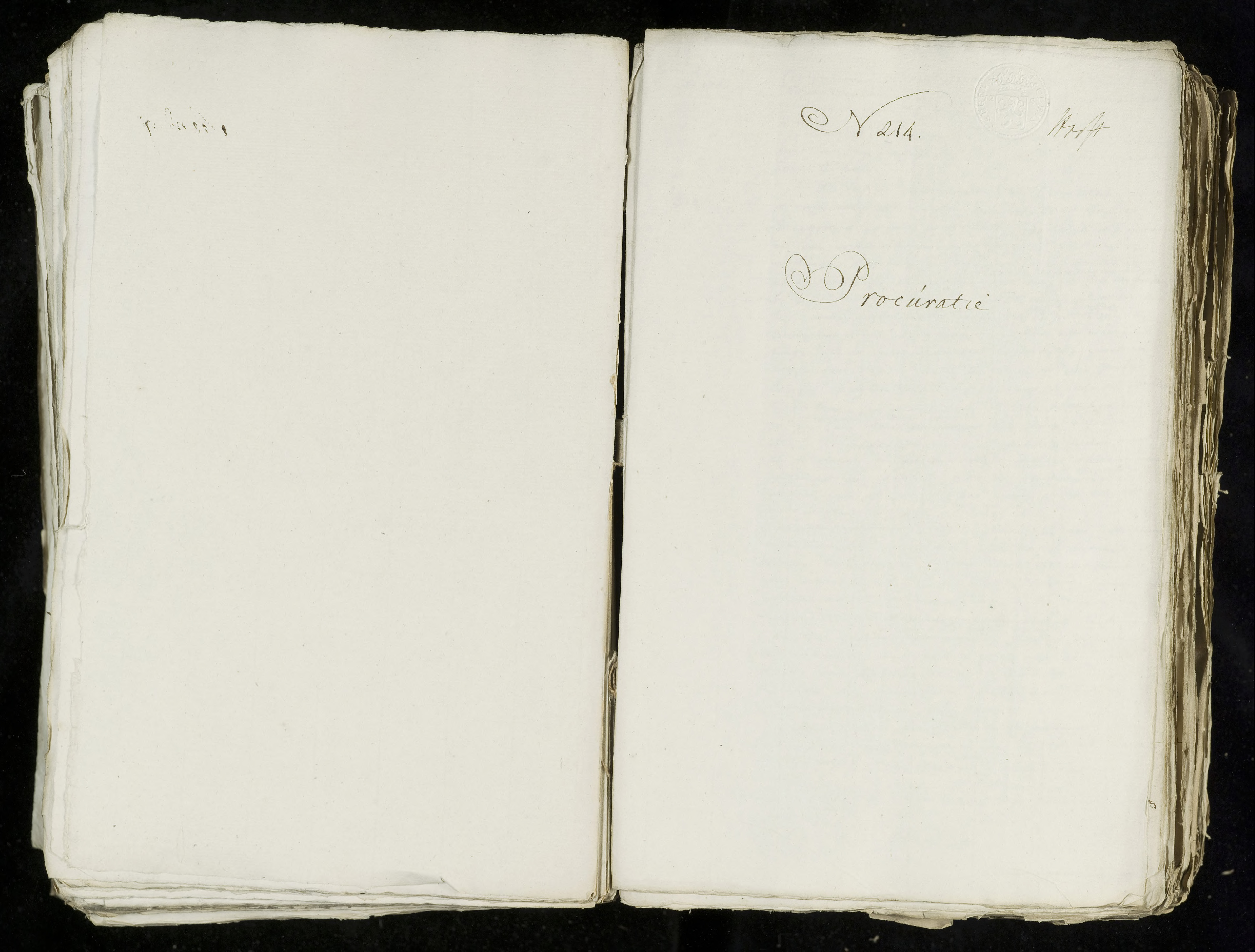
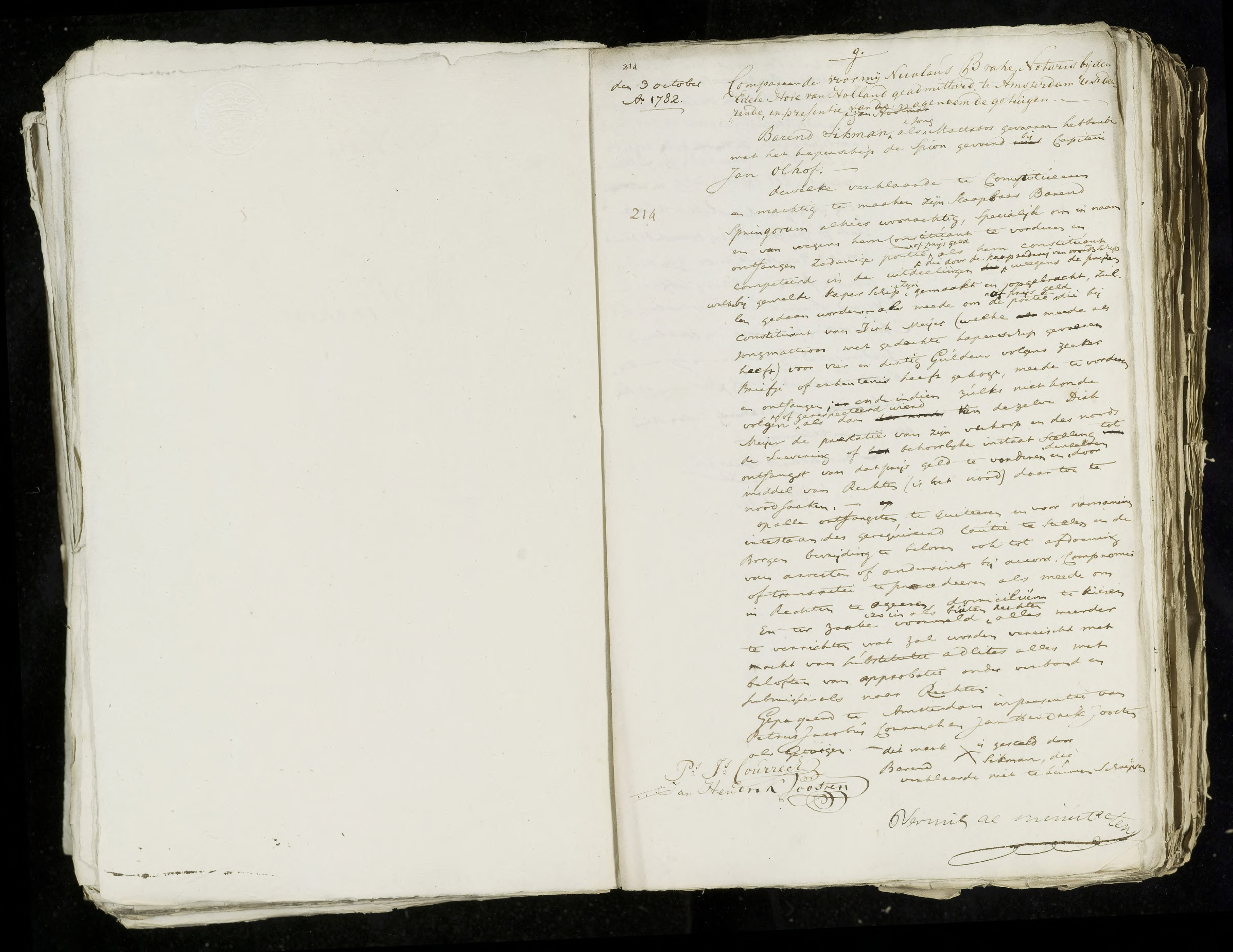
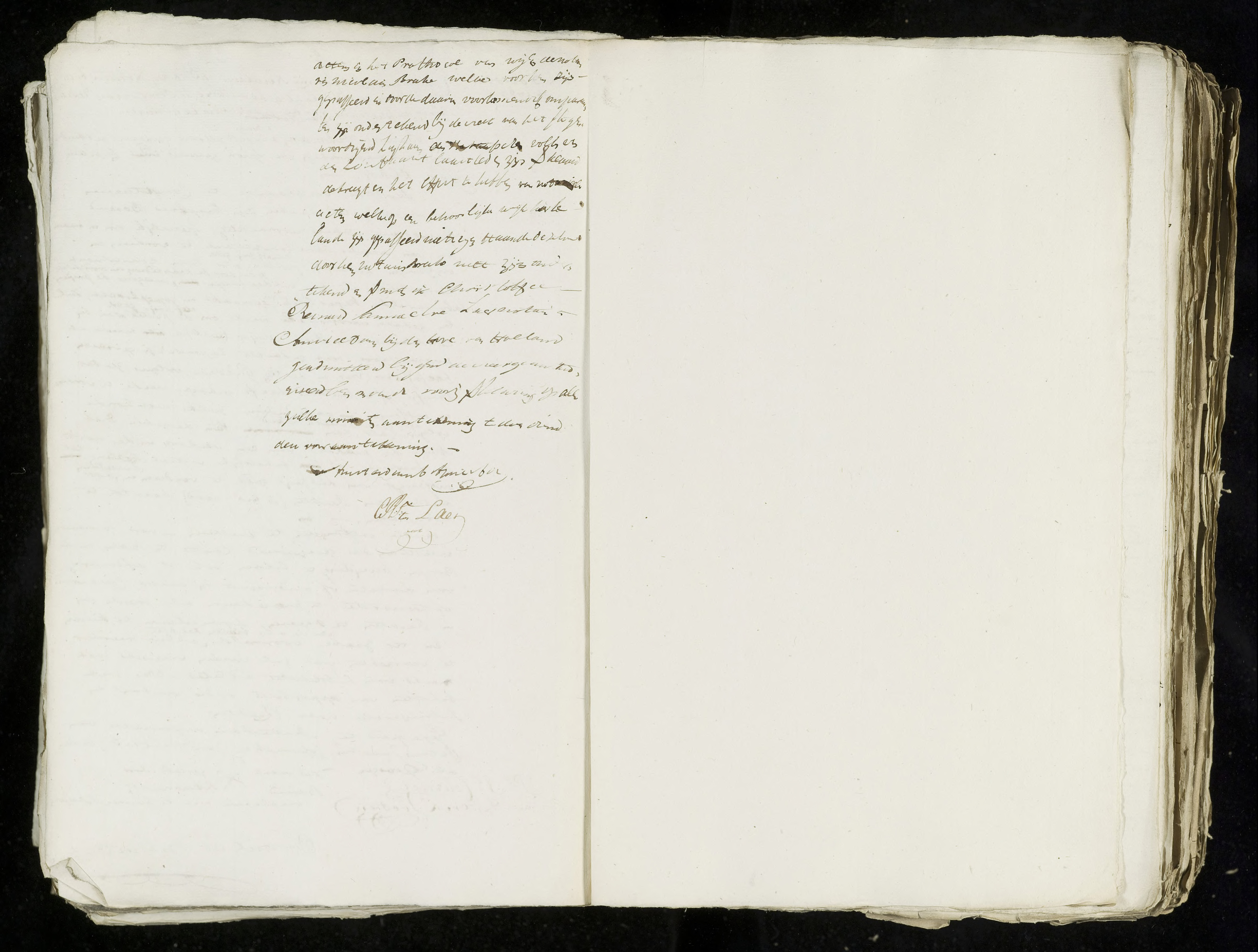
Reference: Power of Attorney for the Collection of Prize Money
Baptism of Joanna Springorum
2 April 1783 · Amsterdam, Nederland
On 2 April 1783, Joanna Springorum was baptized in Amsterdam in the church known as De Posthoorn. She was recorded as the daughter of Barend Springorum and Willemina Altmans. The baptism was witnessed by Barend's brother Willem Springorum and his wife Petronella Weijers, whose presence reflects close family and social ties.
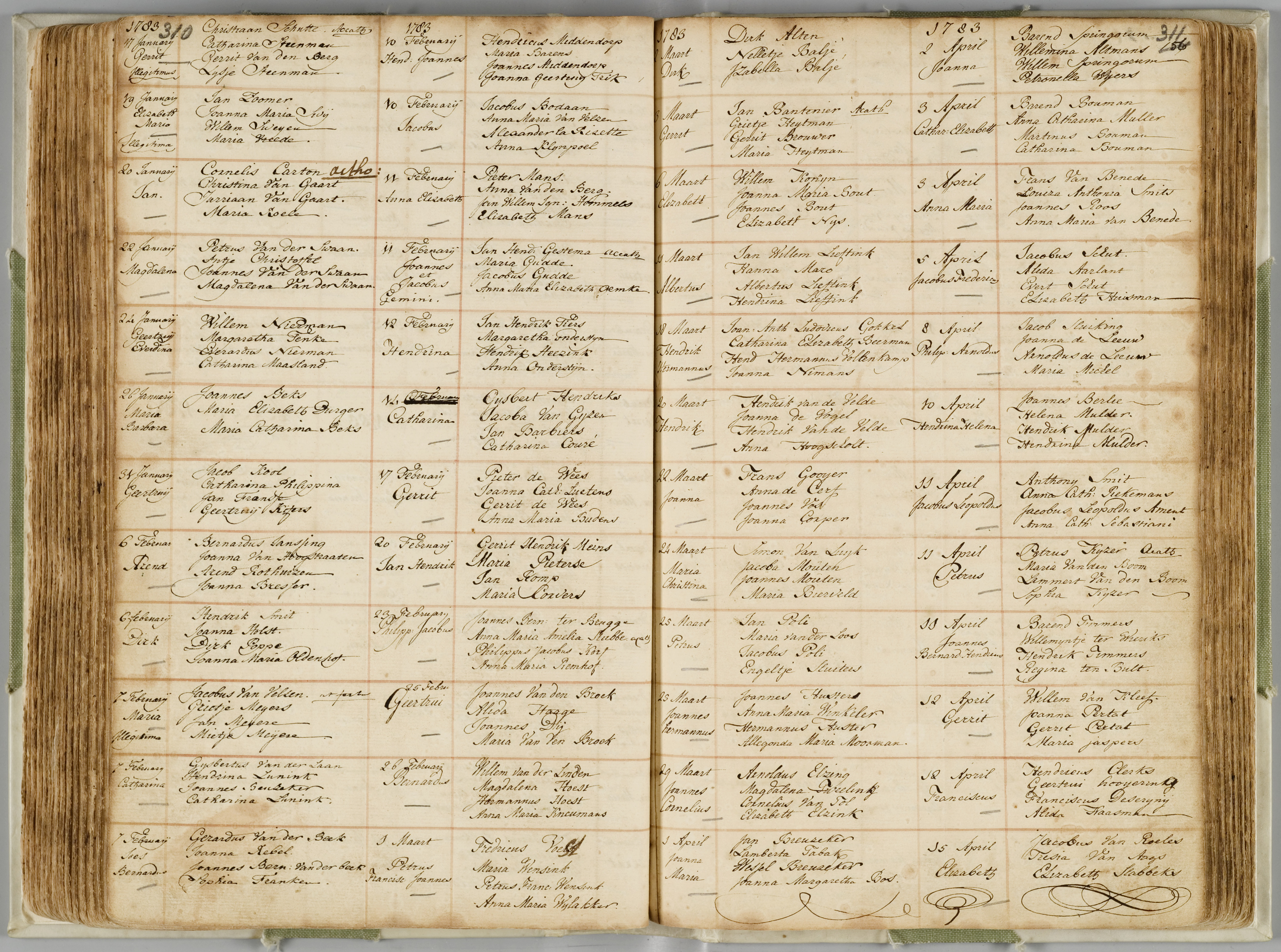
Reference: Baptism of Joanna Springorum
Baptism of Hendricus Bernardus Springorum
10 November 1784 · Amsterdam, Dutch Republic
On 10 November 1784, Hendricus Bernardus Springorum was baptized in Amsterdam in the Roman Catholic church known as De Posthoorn. He was recorded as the son of Barend Springorum and Wilhelmina Altmans. The baptism was witnessed by Hendrik Tebe and Wilhelmina Dietericus, reflecting the family’s social and religious network within the city.
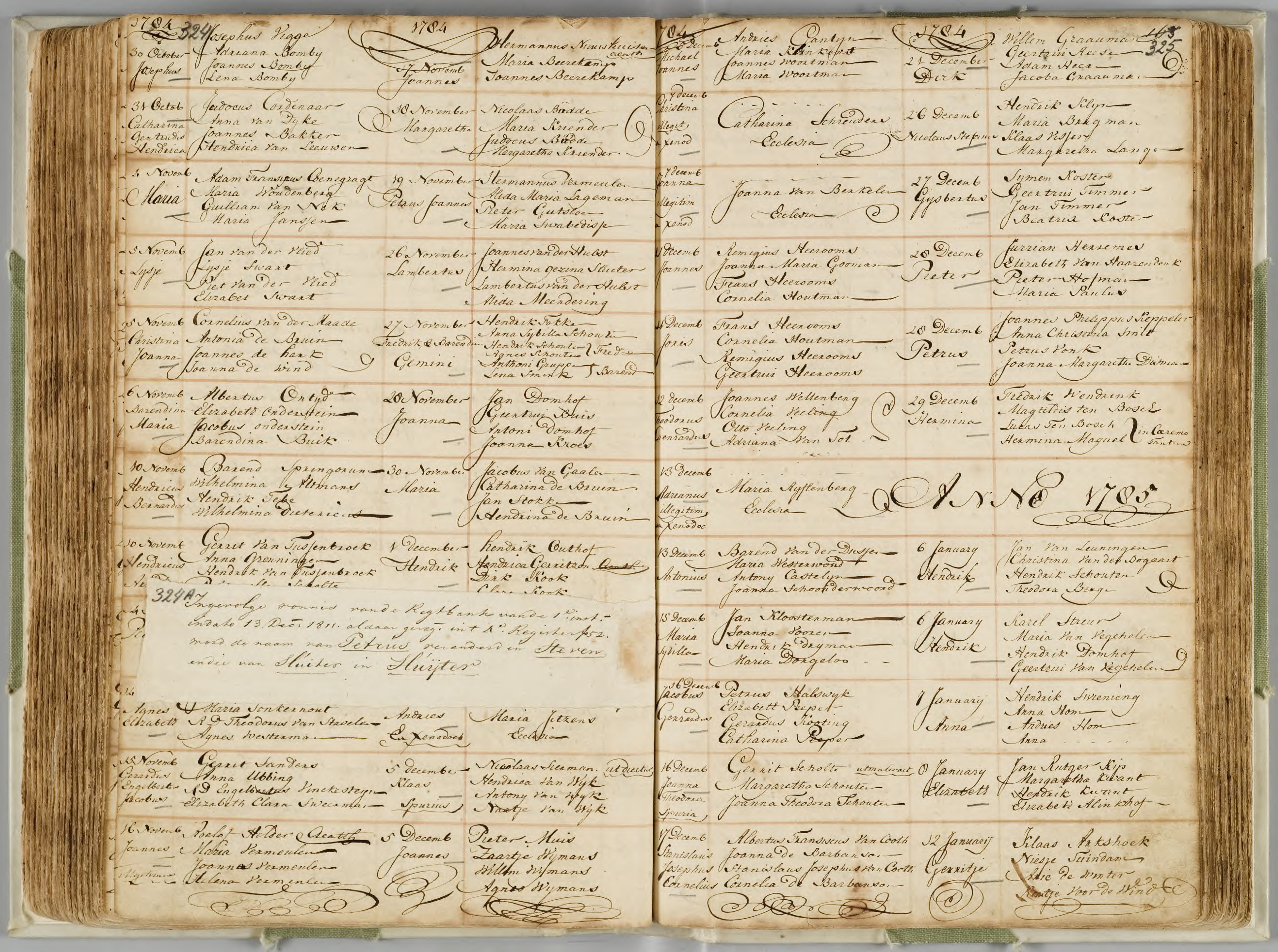
Reference: Baptism of Hendricus Bernardus Springorum
Burial of Maria Springorum
28 November 1785 · Amsterdam, Noord-Holland, Nederland
On 28 November 1785, Maria Springorum was buried in Amsterdam at the Karthuizer Kerkhof. The burial was recorded in the Amsterdam church burial registers (DTB Begraven), which documented interments within the city during this period.
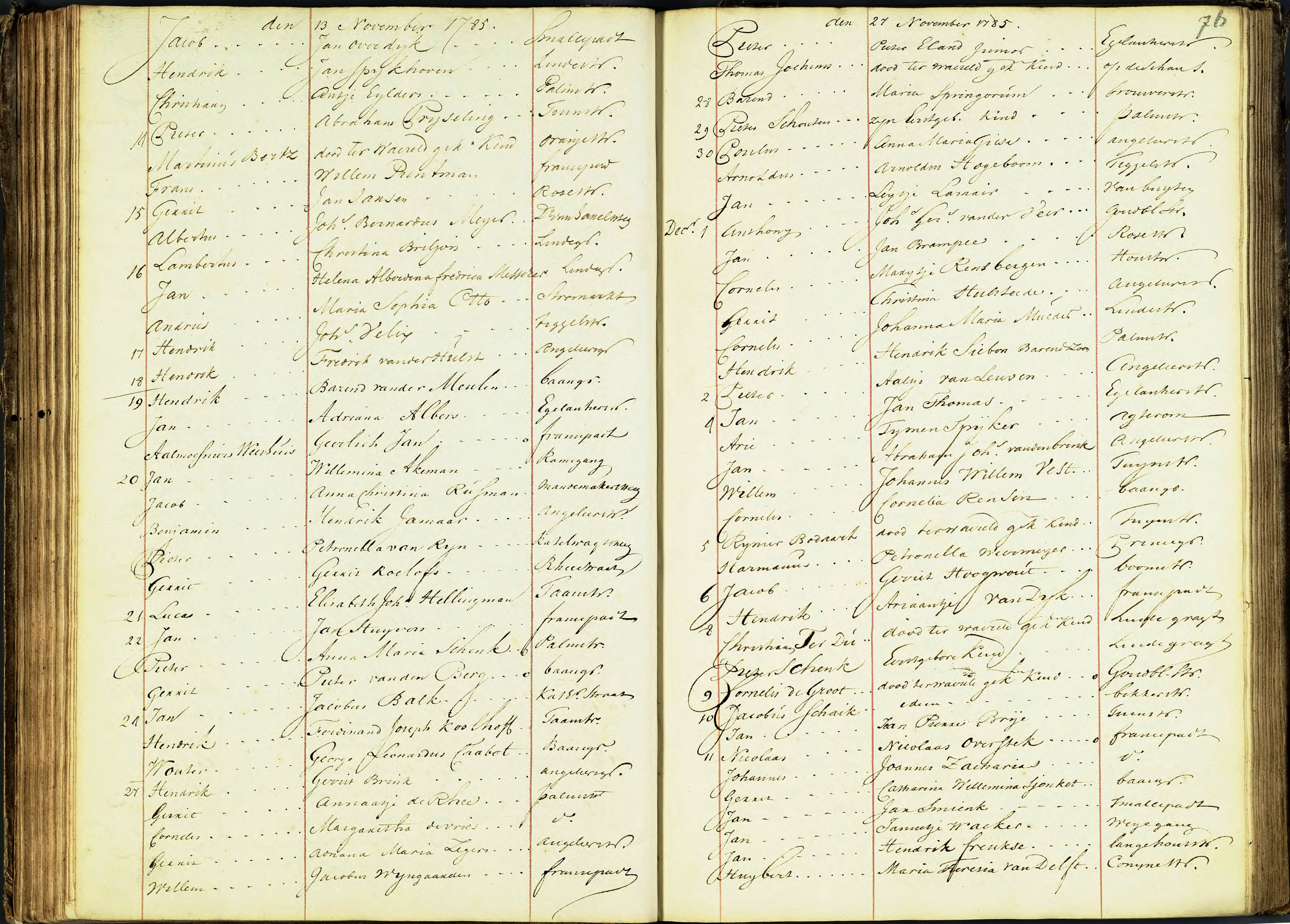
Reference: Burial of Maria Springorum
Power of Attorney during Absence Abroad
14 December 1785 · Amsterdam, Nederland
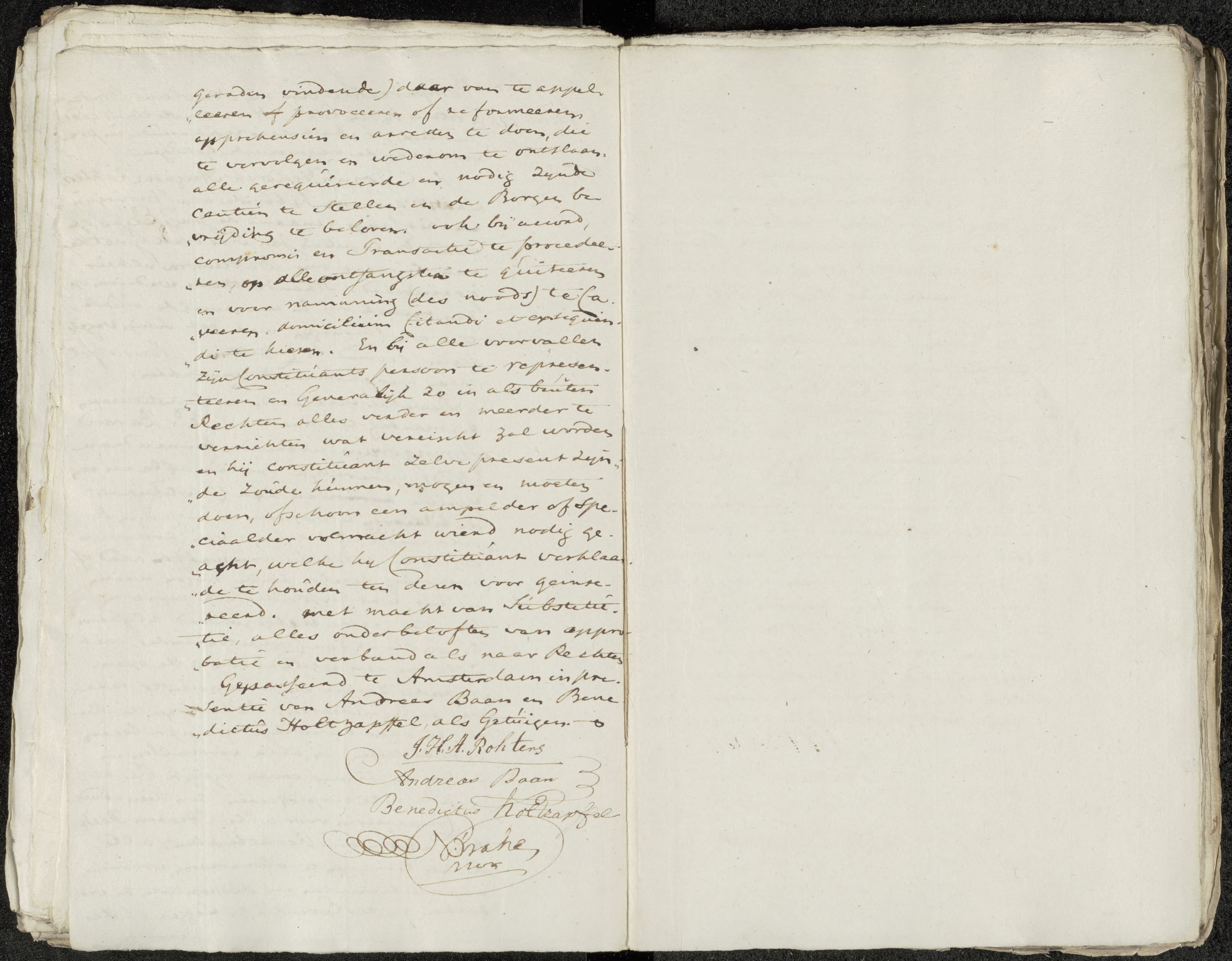
On 14 December 1785, a notarial power of attorney was drawn up in Amsterdam before the notary Nicolaus Braher. Joan Hendrik August Rohters, a ship’s surgeon preparing to depart for Suriname aboard the Vogelstein, appointed Barend Springorum as his general agent to manage his affairs during his absence abroad. The act granted Springorum wide authority to collect debts, settle accounts, pursue legal actions, and represent Rohters both in and out of court.
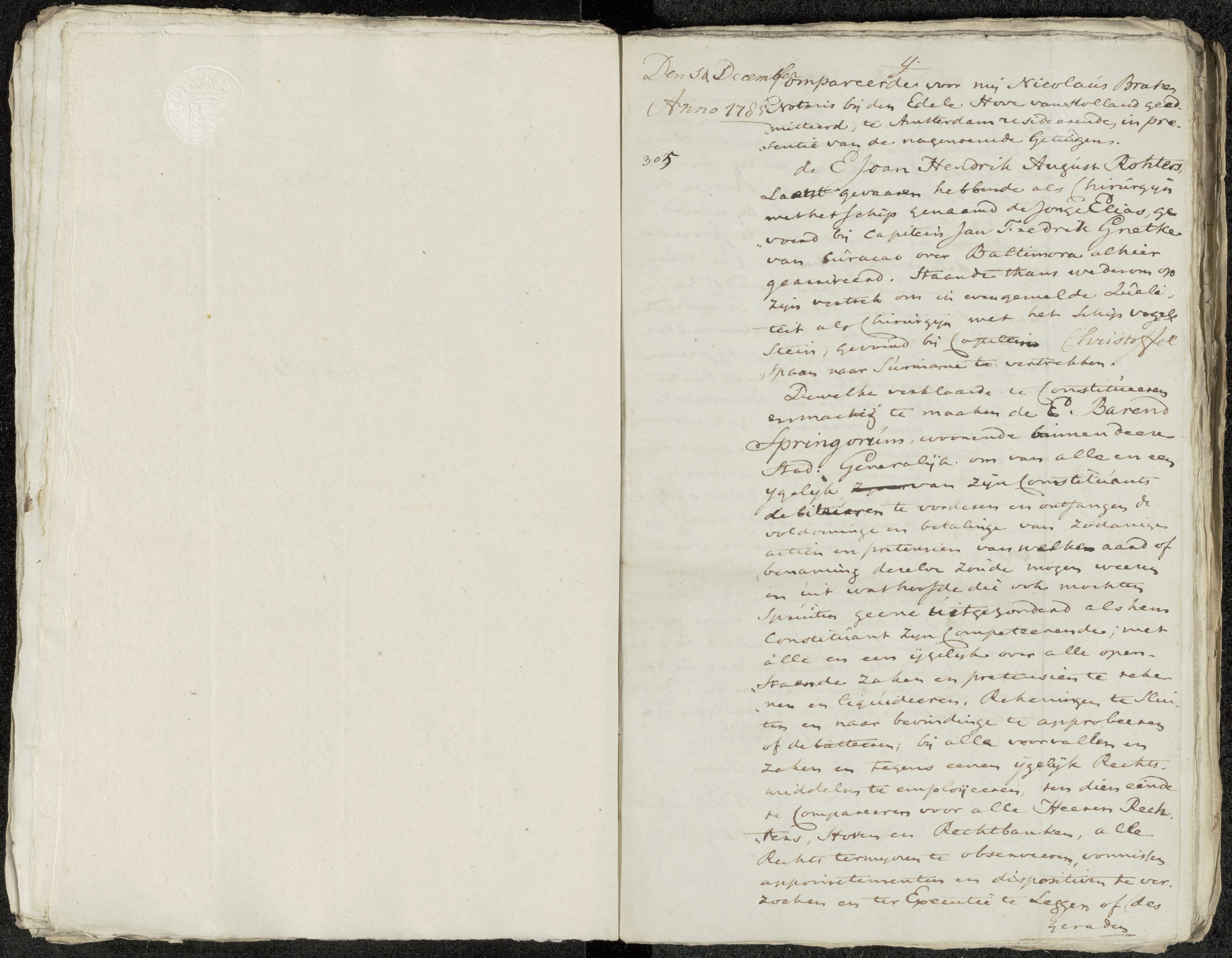
Reference: Power of Attorney during Absence Abroad
Burial of Hendricus Bernardus Springorum
19 December 1785 · Amsterdam, Noord-Holland, Nederland
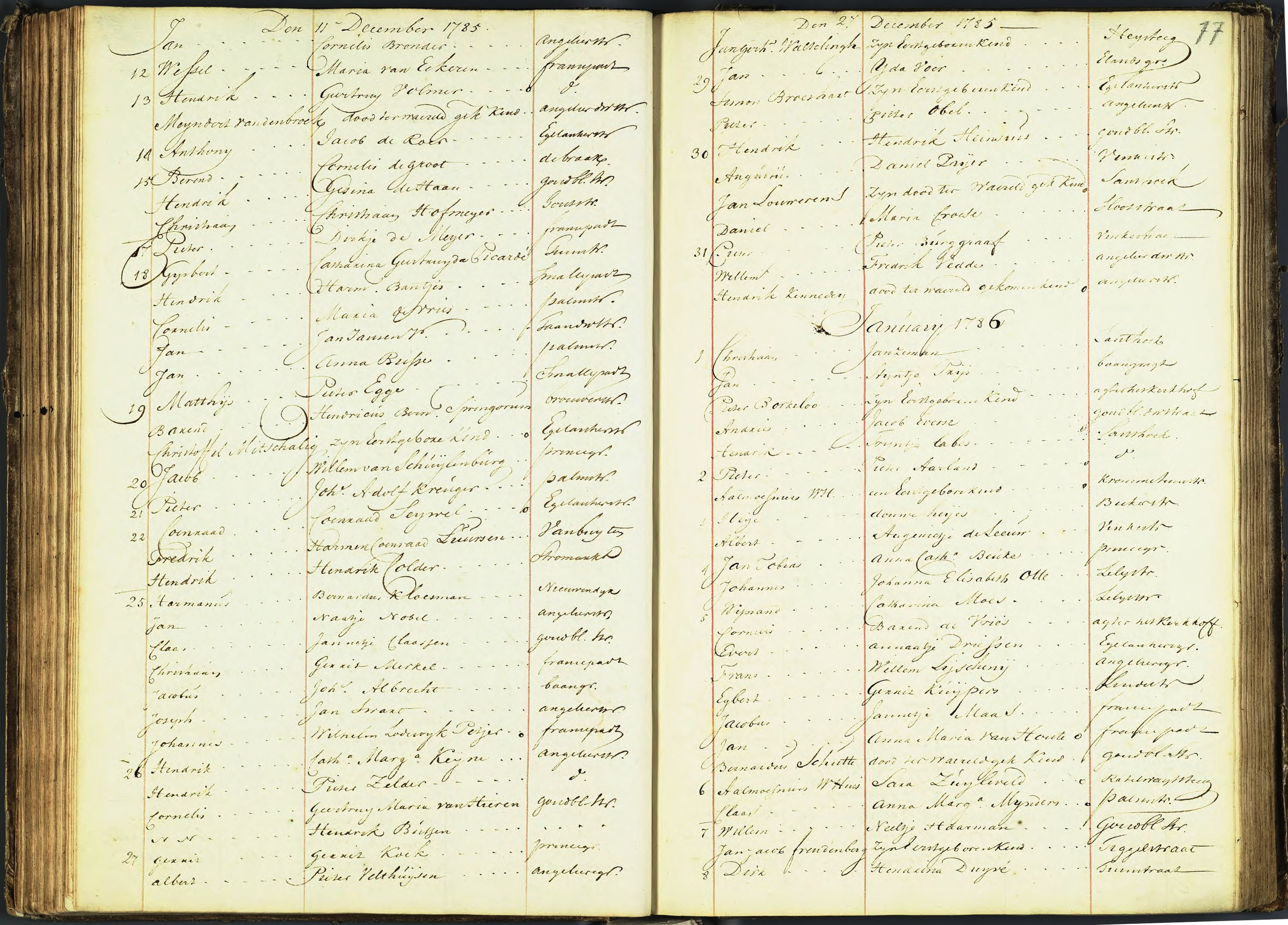
On 19 December 1785, only weeks after the death of his sister Maria Springorum, Hendricus Bernardus Springorum was buried at the Karthuizer Kerkhof in Amsterdam. The burial was entered in the Amsterdam church burial registers (DTB Begraven), which recorded interments within the city at that time.
Reference: Burial of Hendricus Bernardus Springorum
Will of Barend Springorum
27 December 1786 · Amsterdam, Nederland
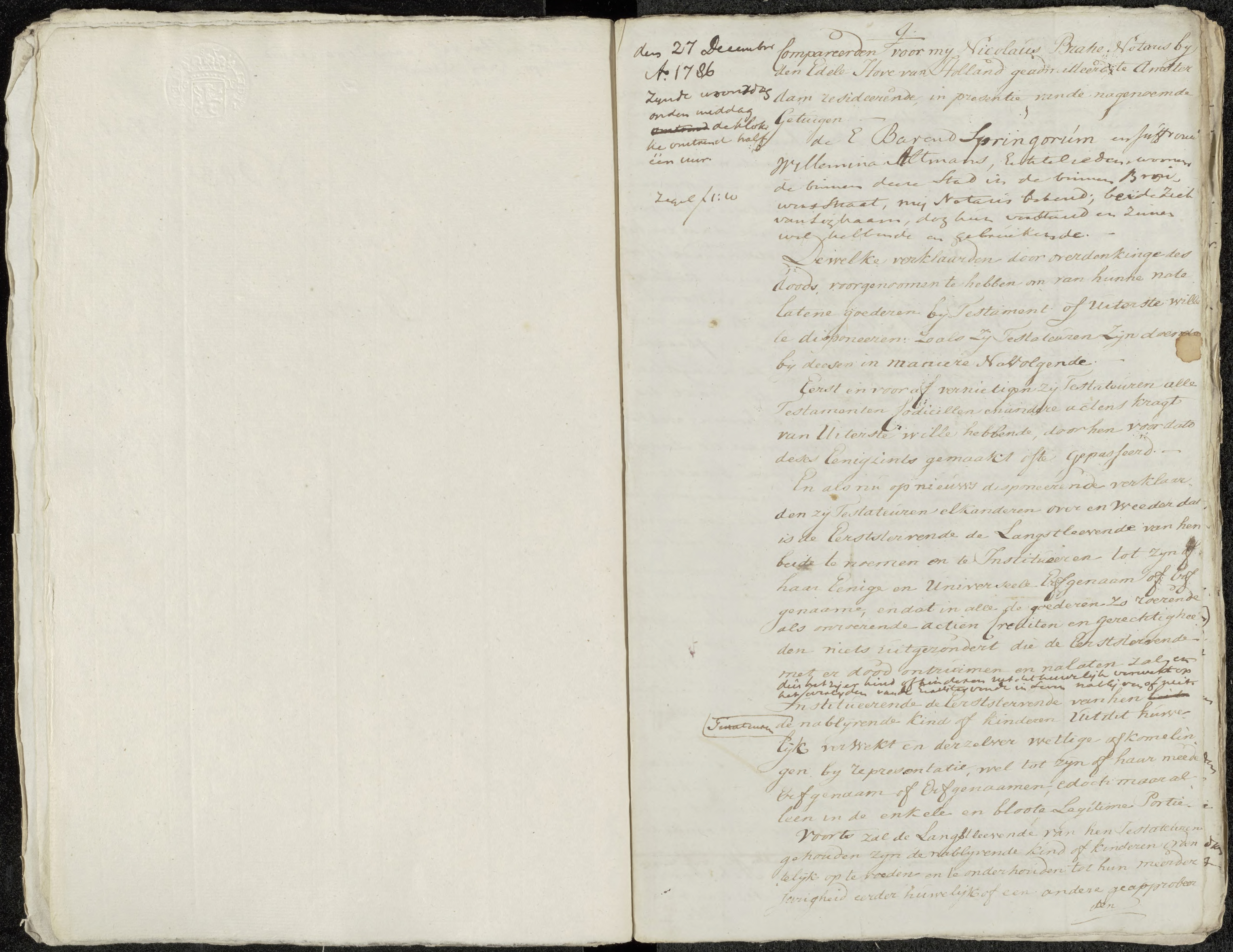
On 27 December 1786, Barend Springorum and his wife Willemina Altmans appeared before the notary Nicolaus Bratie in Amsterdam to declare their last will. Although both were infirm in body, they were declared sound of mind and fully capable of making a testament. In view of the certainty of death, they resolved to dispose of their worldly goods and estate by way of a joint last will.
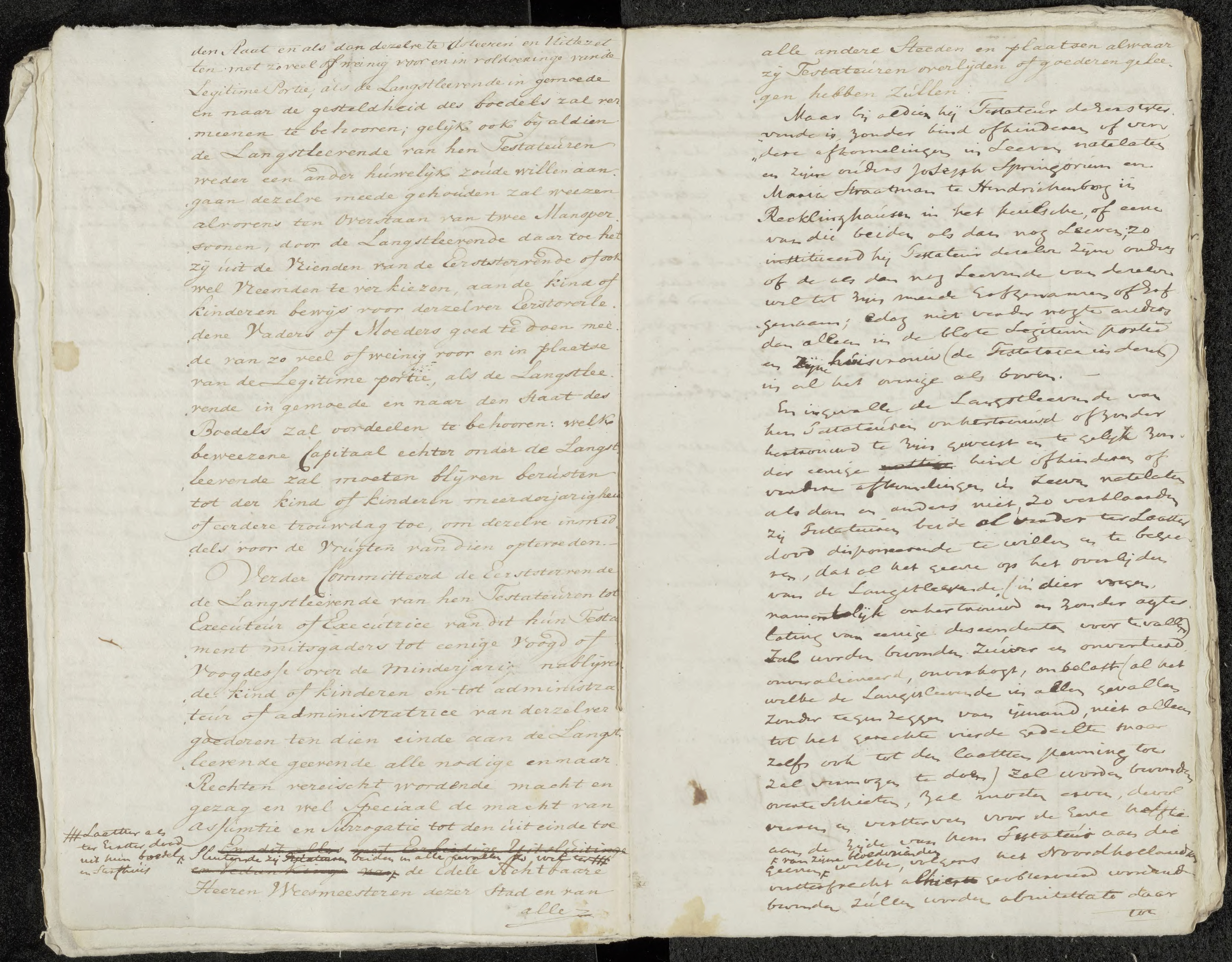
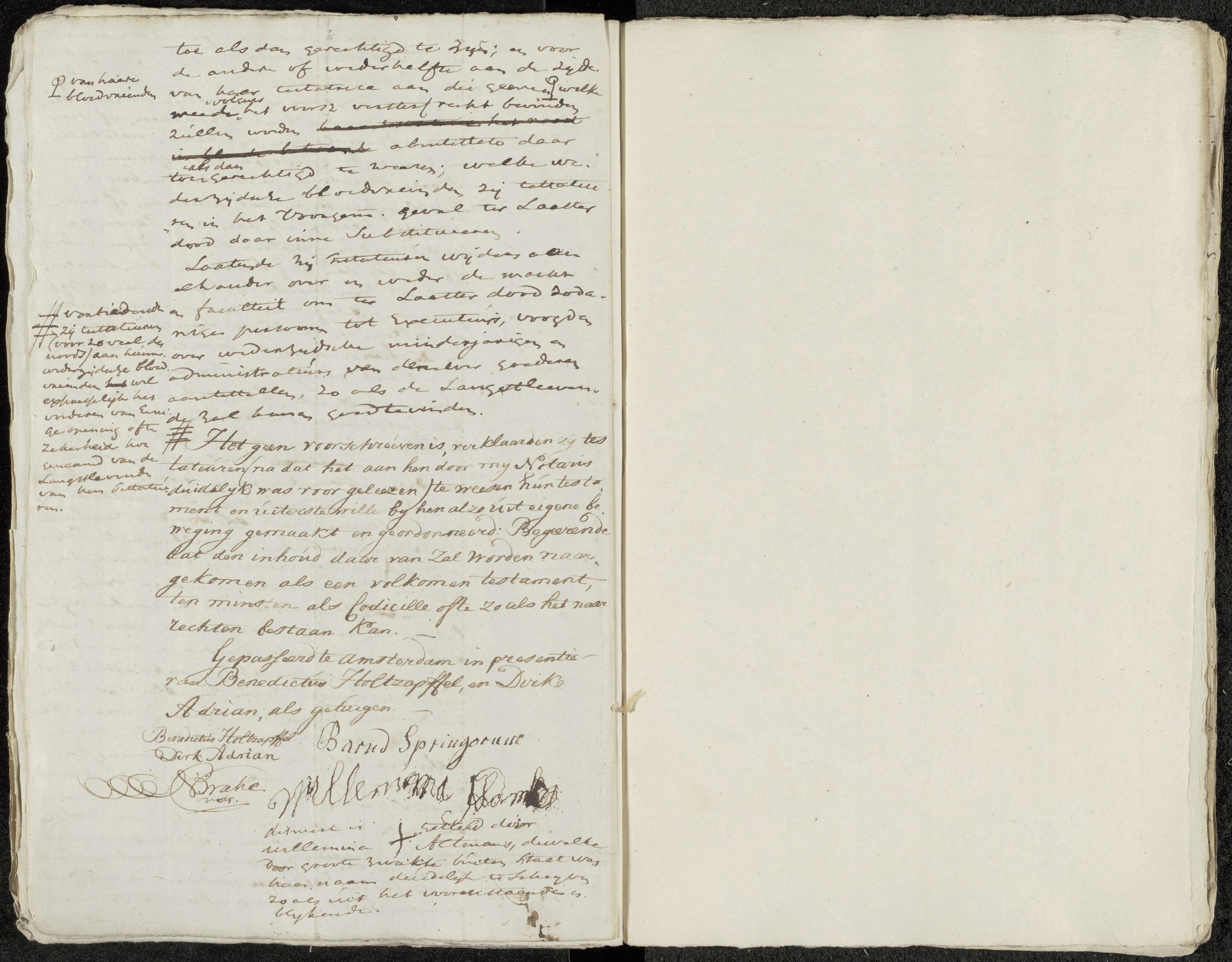
Reference: Will of Barend Springorum
Burial of Barend Springorum
5 January 1787 · Amsterdam, Noord-Holland, Nederland
On 5 January 1787, Josephus Bernhardus Hendricus Springorum was buried at the Carthusian cemetery in Amsterdam. The burial is recorded in the Amsterdam burial registers (DTB), which document interments within the city during the late eighteenth century. No additional personal or familial details are provided in the entry.
Later that same year, Willemina remarried Joannes Hamkolk. Together they had a son, Joannes Bernardus Josephus Hamkolk, most likely named in memory of Willemina’s late husband Barend. Sadly, the child died only three months after his birth. As mentioned earlier, I have not been able to find any further traces of Barend’s eldest daughter, Joanna Springorum.
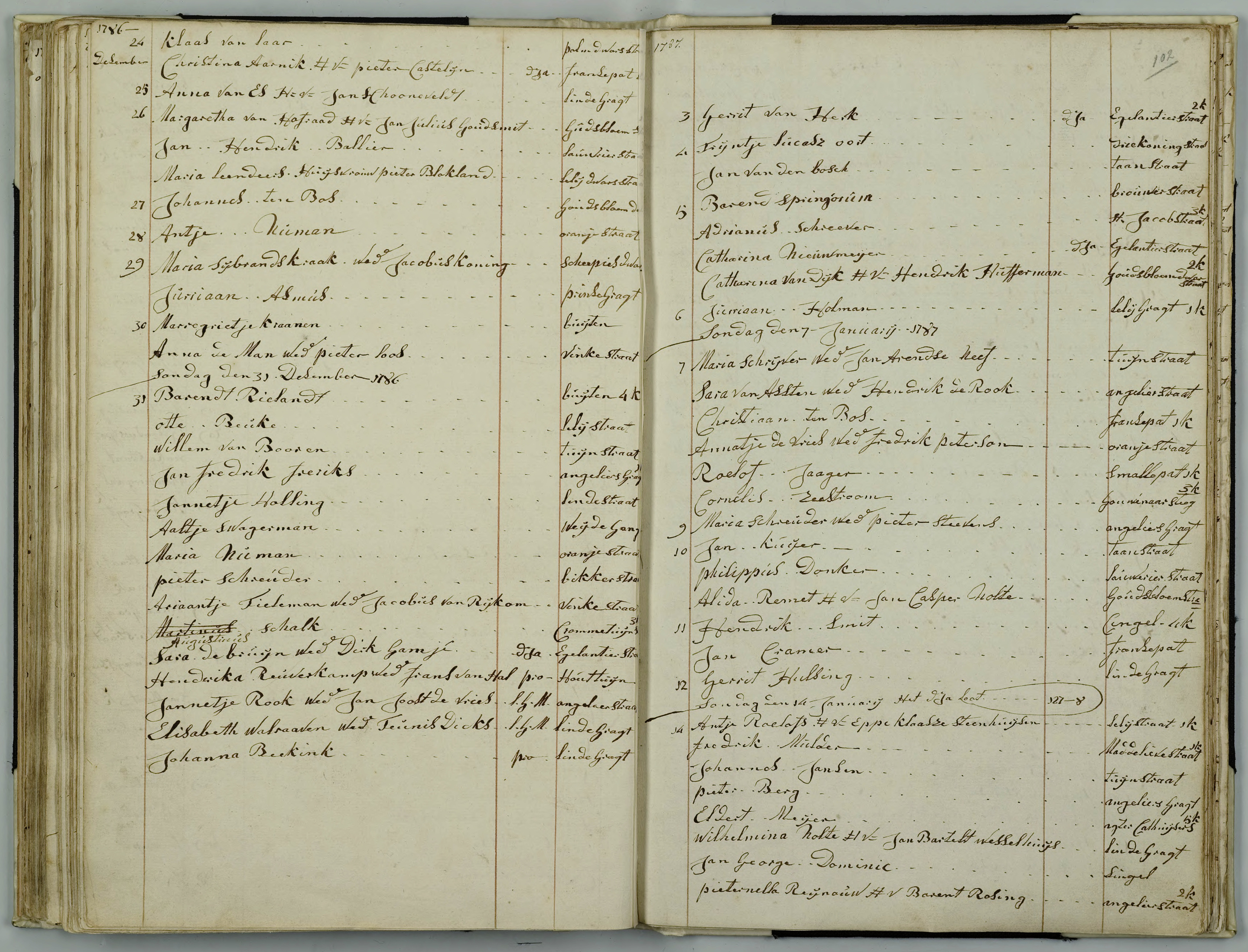
Reference: Burial of Barend Springorum
Family
Parents
- ♂ Johannes Josephus (Joseph) Springorum (1711 – 1795)
- ♀ Anna Maria Stratmanns (1717 – 1793)
Partner(s) & Children
Wilhelmina (Willemina) Altmans
- ♀ Clara Christina Johanna (Joanna) Springorum (1783 – ?)
- ♂ Hendricus Bernardus Springorum (1784 – 1785)
- ♀ Maria Springorum (? – 1785)