Johann Springorum II

Johann Springorum was active in the second half of the sixteenth century as a court scribe (Gerichtsschreiber) in Bochum. In this official capacity, he appears as a witness in legal and financial transactions recorded before the local court. His role places him within the educated urban administrative elite of Bochum, closely connected to civic governance and judicial practice.
Johann Springorum is documented as Gerichtsschreiber of Bochum in 1576, a position that required literacy, legal knowledge, and trust within the urban administration. Court scribes were responsible for recording contracts, testimonies, and judicial decisions, making them key figures in the functioning of early-modern municipal justice.
His appearance in a charter concerning a grain and monetary annuity demonstrates his formal role as an authenticating official rather than as a party to the transaction. This places Johann firmly within the civic infrastructure of Bochum rather than among purely mercantile or agrarian circles.
Events & References
Enfeoffment of the Norderhof in Hunthamme
20 March 1565 · Hunthamme, Kirchspiel Bochum, Deutschland
On March 20, 1565, Johann Springorum, grandson of Johann Schryver and son of the late Johann, formally received the Norderhof estate in Hunthamme as a fief from Abbot Hermann of the Imperial Foundation of St. Ludger in Werden. This enfeoffment, granted under the right of service (Dienstmannsrecht), required Johann to swear an oath of loyalty and pay homage to Abbot Hermann and the foundation. The ceremony was witnessed by Ditmar Berswordt, Wessel van der Heimbach (judge of Bochum), and Johann thum Putte (mayor of Werden). Since Johann did not yet possess his own seal, his cousin Wessel van der Heimbach sealed the document on his behalf, reflecting Johann's minor status at the time.
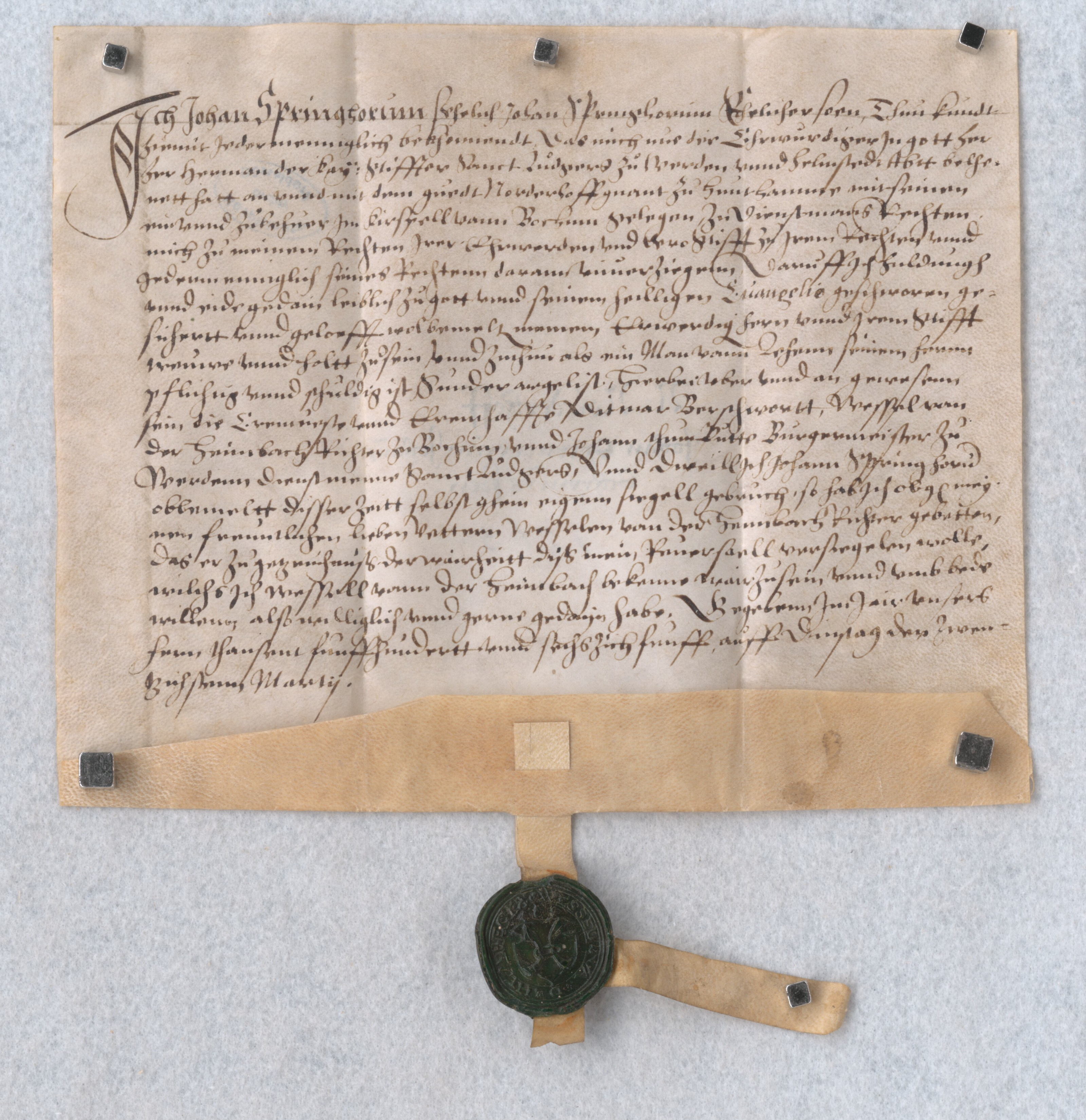
Reference: Enfeoffment of the Norderhof in Hunthamme
Will of Agnes Springorum
6 September 1568 · Köln, Deutschland
Johann Springorum is appointed executor of the will of his sister Agnes Springorum who died of the plague in 1568 and receives 100 talers.
In her will of 6 September 1568, drawn up in Cologne during a severe outbreak of plague, Agnes Springorum made provisions for the disposition of her estate. The document records charitable donations, individual legacies to siblings and close relations, the appointment of her brother Johan Springorum as executor, and the designation of her brothers Sibert and Dietherich Springorum as residual heirs after the settlement of debts and bequests.
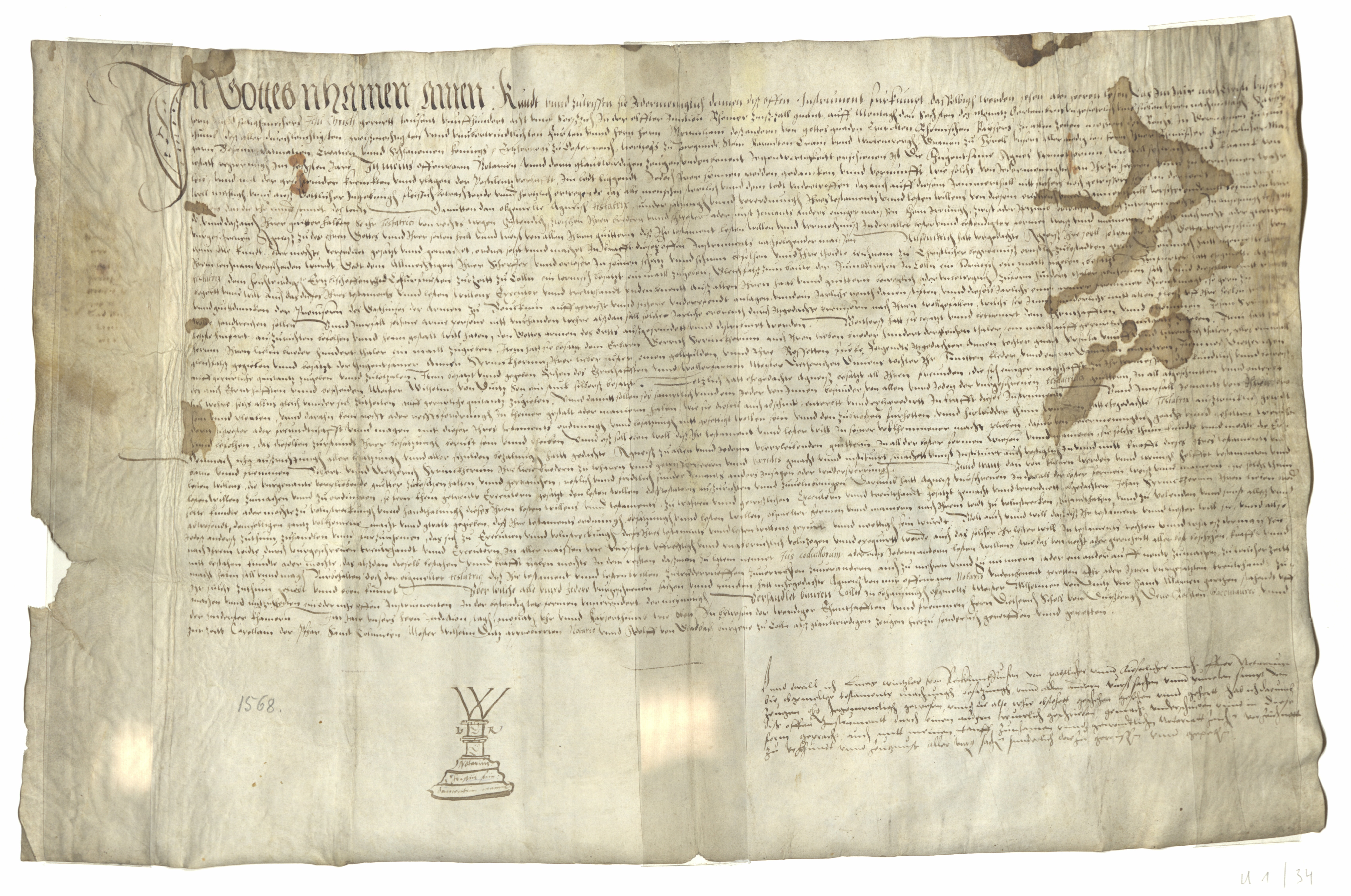
Reference: Will of Agnes Springorum
Land Sale at Bredde and Hilweg
1 June 1571 · Bochum, Deutschland
Johann Springorum signed a charter in his official capacity as Gerichtsschreiber, confirming the legal validity of the transaction.
On 1 June 1571, Albert Lorinckhoff, a citizen of Bochum, and his wife Elsa sold two Scheffelsaat of arable land located at the Bredde and along the Hilweg for the sum of 26 Thaler. The buyer was Gerhard von Sodingen, judge in Herbede. The charter was authenticated by the signature of Johann Springhorum, acting as court scribe, and that of the seller Albert Lorinckhoff; the document was later cancelled by cuts.
Reference: Land Sale at Bredde and Hilweg
Verkauf Nodderhoiff an vom Loe
27 February 1573 · Hunthamme, Bochum, Deutschland
Johann Springorum and Marie Beckman, established citizens of Bochum, declared that—due to their financial distress and to settle the husband’s parental debts—they have sold their hereditary estate called Nodderhoiff in Hunthamme.
The 1573 deed records the sale of the hereditary estate "Nodderhoiff" in Hunthamme (within the parish of Bochum) by Johann Springorum and Marie Beckman to Melchior vom Loe zur Dornenburgh and Ida von der Reck, aimed at alleviating financial distress and settling the husband’s parental debts. The transaction, notarized by Wessel von der Hembeck under the authority of Duke Wilhelm of Cleve, includes a permanent waiver of all rights to the property—except for feudal obligations—and secures the sale with a pledge of the sellers’ house, land, and movable assets in Bochum. The document, sealed and witnessed by local officials, reflects both the economic challenges of the era and the legal practices of 16th-century Westphalia.
Reference: Verkauf Nodderhoiff an vom Loe
Hereditary Annuity Sale
14 December 1574 · Bochum, Deutschland
Johann Springorum is named among the Standgenossen des Gerichts and signed the charter in his official capacity as Gerichtsschreiber.
On 14 December 1574, Albert Lorinckhoff, citizen of Bochum, and his wife Elsa sold a hereditary annual annuity consisting of four Malter of grain (Schuldkorn) drawn from the Greveken and Blanckstein farms to Georg Schell zu Rechen for the sum of 100 Taler, with a right of repurchase reserved. The transaction was formally recorded before the Bochum court and authenticated by its officers.
Reference: Hereditary Annuity Sale
Sale of a Grain Annuity in Bochum
1576 · Bochum, Deutschland
Johann Springorum appears as Gerichtsschreiber and Standgenosse in the charter recording the sale of a redeemable grain annuity.
In 1576, Jacob Alers and his wife Catharina sold a redeemable annual annuity to Pastor Heinrich Stoitt of Harpen. The annuity consisted of two scheffel of rye, measured according to the Bochum standard, and half a Reichstaler. The capital sum of 22 Thaler could be redeemed within four years, while the buyer or his heirs retained the right to terminate the arrangement. The transaction renewed an earlier loan relationship dating back to 1571 and was secured on the couple’s house and associated property near the churchyard on Bergstraße in Bochum.
Reference: Sale of a Grain Annuity in Bochum
Papenhof Land Declaration
6 January 1580 · Bochum, Deutschland
Johann Springorum is named as the official before whom the declaration was made (Vor Johann Springhorum, Unterrichter in Bochum).
On 6 January 1580, a formal declaration was made concerning the lands belonging to the Papenhof at Marmelshagen. Heinrich Hiltrop, canon in Essen and acting as attorney for Johann Berckhof (rector of the Altar of St John), together with Wessel Pape, tenant of the Papenhof, issued the declaration before Johann Springhorum, Unterrichter (under-judge) in Bochum.
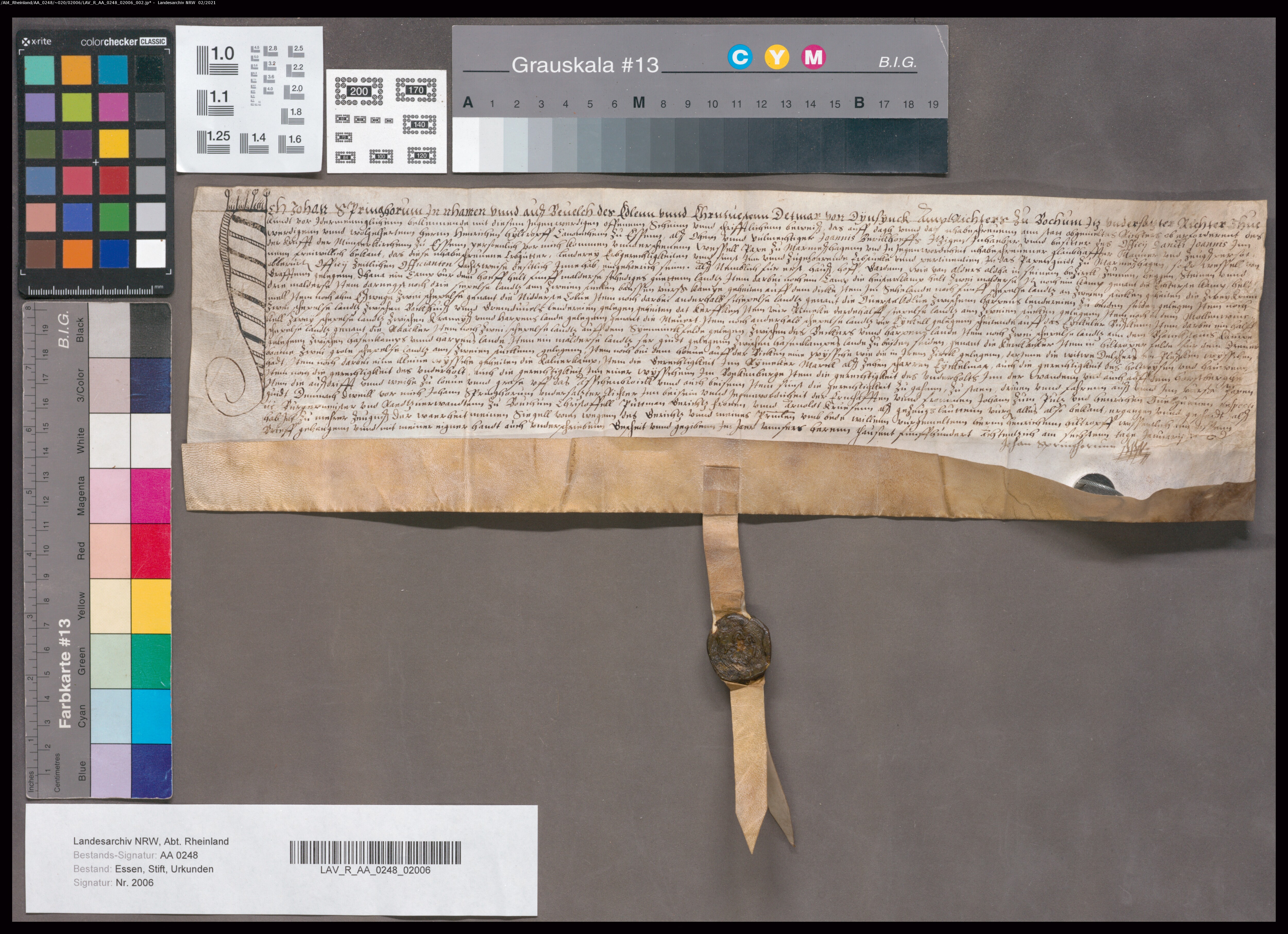
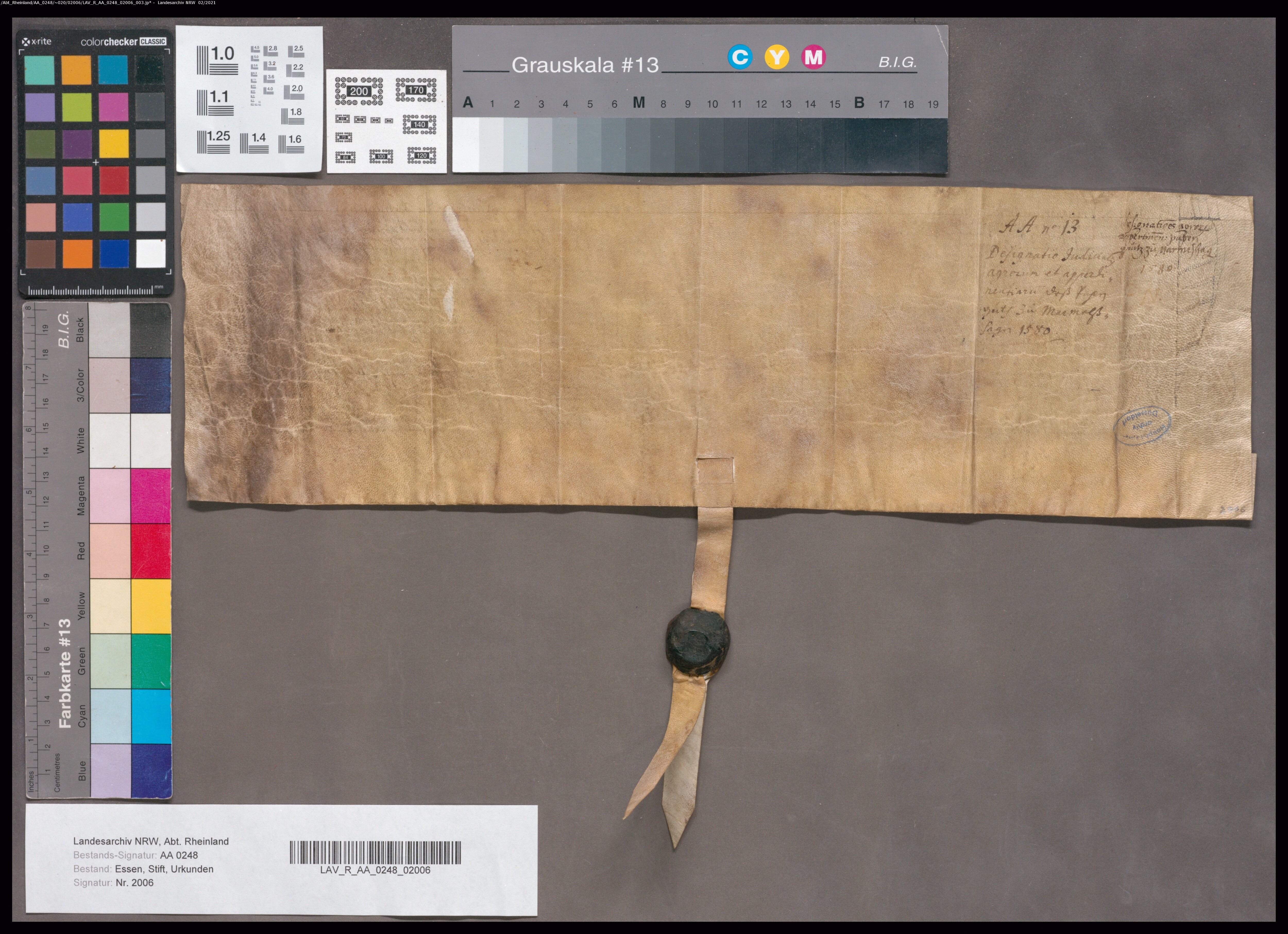
Reference: Papenhof Land Declaration
Leimsiepen Enfeoffment
7 February 1586 · Bochum, Deutschland
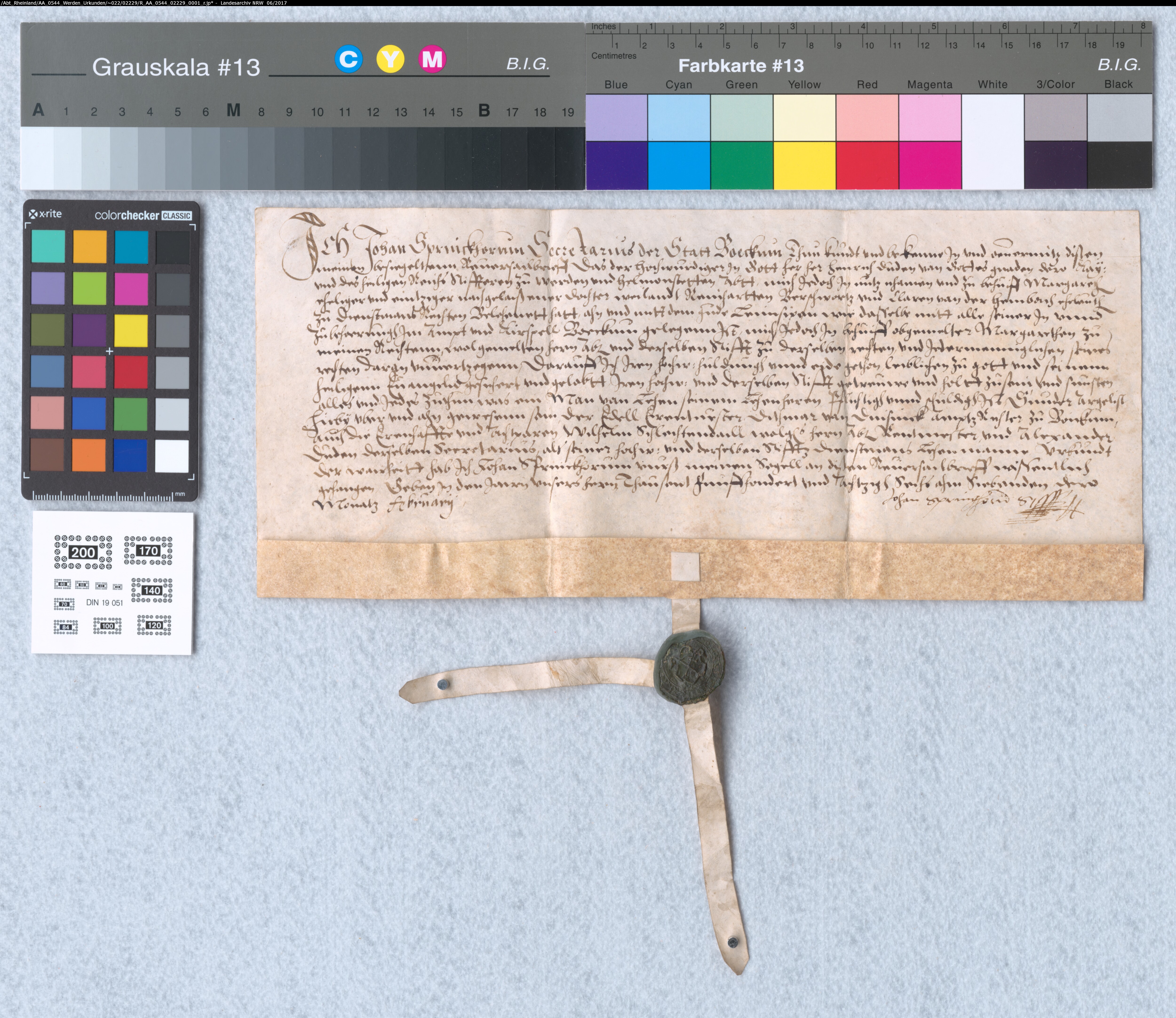
Acting as secretary of the city of Bochum, Johann Springorum announces the enfeoffment granted to him under Dienstmannsrecht and performs homage.
On 7 February 1586, Johann Springorum, secretary of the city of Bochum, formally announced that Abbot Heinrich Duden had enfeoffed him, under Dienstmannsrecht, with the estate of Leimsiepen and all its appurtenances in the parish of Bochum. The enfeoffment was granted for the benefit of Margarete, daughter of the late Reinhard Berswordt and his wife Clara von der Hembach, and Johann Springorum rendered homage for the holding.
Reference: Leimsiepen Enfeoffment
Wimelhausen Enfeoffment
21 May 1591 · Bochum, Deutschland
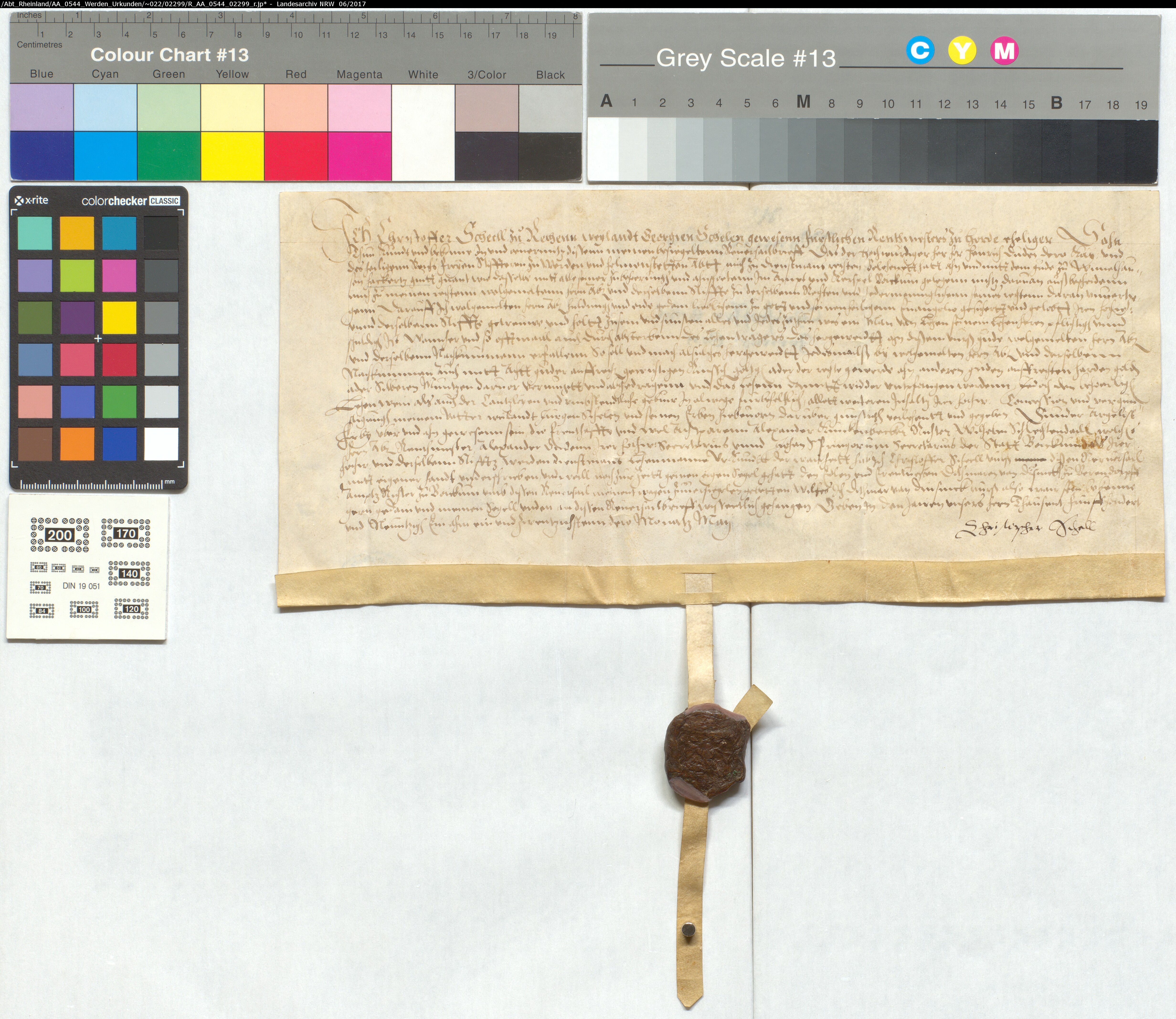
Present in his capacity as Sekretär der Stadt Bochum during the act of homage.
On 21 May 1591, Christoph Scheel zu Rechen announced that Abbot Heinrich Duden of Werden had enfeoffed him with the estate at Wimelhausen, known as the Hackertz Gut, located in the Amt and parish of Bochum. The act fixed the feudal death duty (Heergewäte) payable upon the death of the tenant at eight good Rhenish guilders. Christoph Scheel rendered homage in the presence of several judicial and administrative officials, including Johann Springorum, the city secretary of Bochum.
Reference: Wimelhausen Enfeoffment
Leemsiepen Enfeoffment
23 May 1597 · Bochum, Deutschland
Entrusted prior to the act ("behandigt") to act on behalf of Margarete Berswordt; present in his capacity as Sekretär in Bochum.
On 23 May 1597, Konrad Märker, judge in Witten, announced that Abbot Heinrich Duden had enfeoffed him, under Dienstmannsrecht, with the estate of Leemsiepen in the parish of Bochum for the benefit of Ditmar Dinsing of Berendorf, son of the late Ditmar Dinsing. The estate had previously been sold by Arnold Ramackers, citizen of Unna, and his wife Margarete Berswordt. Prior to the enfeoffment, Johann Springorum, secretary in Bochum, had been entrusted to act on behalf of Margarete; homage was rendered in the presence of judicial and financial officials.
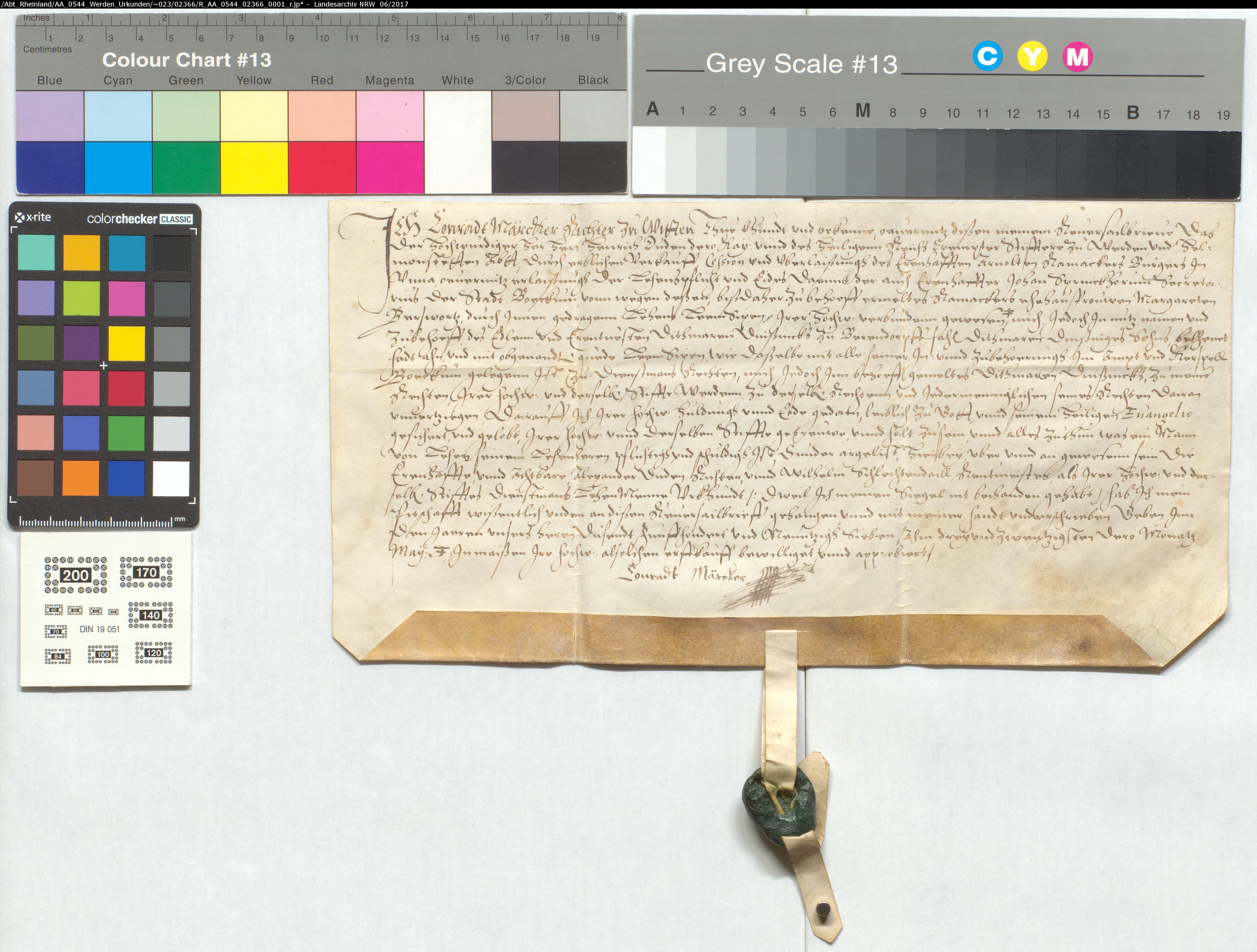
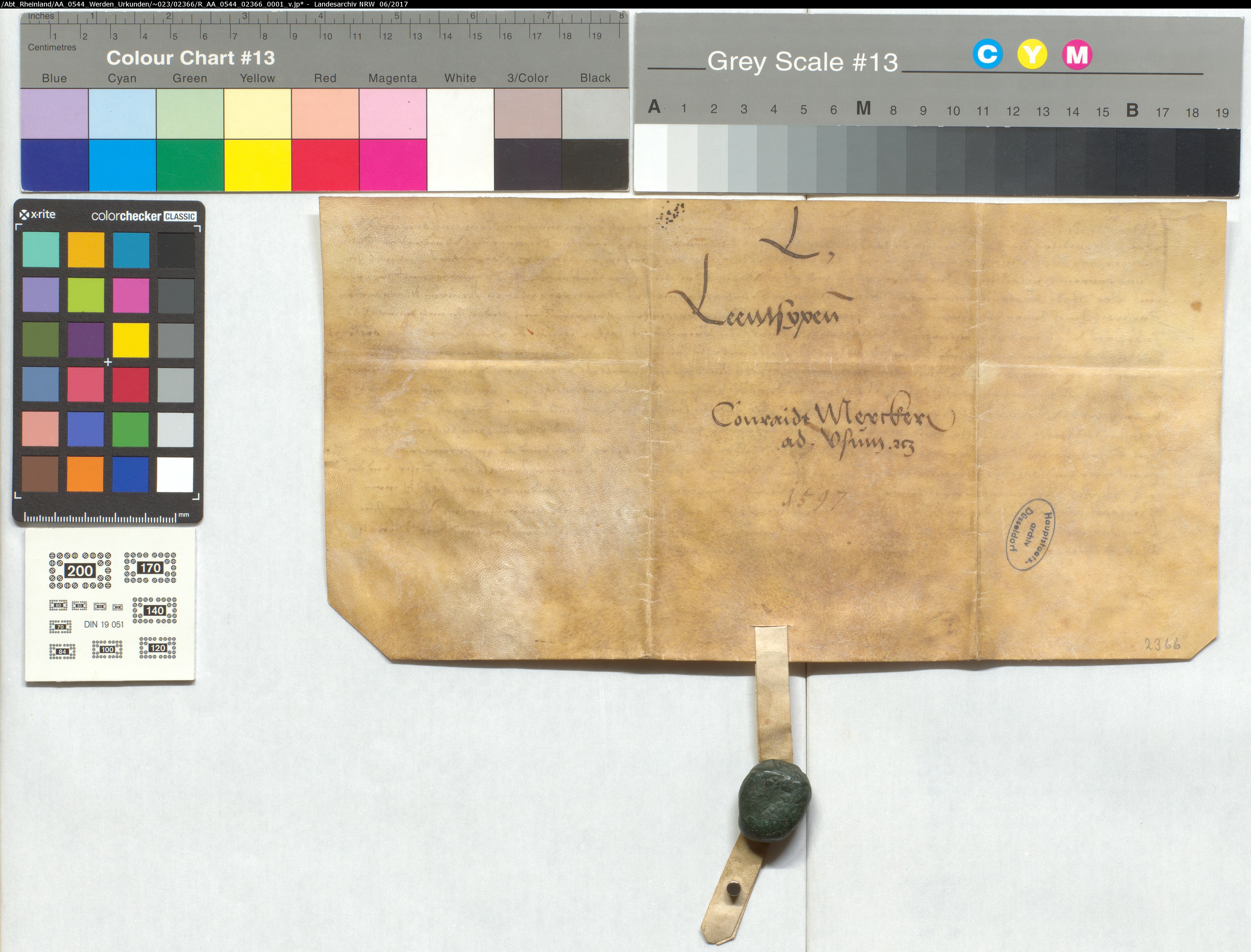
Reference: Leemsiepen Enfeoffment
Family
Parents
- ♂ Johann Springorum I (c. 1505 – c. 1560)
- ♀ Anna von Eickel (c. 1480 – ?)
Partner(s) & Children
Maria Beckmann (c. 1535 – ?)
- ♂ Sibertus Springorum (c. 1565 – c. 1636)